
 Insurance coverage is designed to protect financial stability when unexpected events create significant losses. However, many households continue using the same policies for years without reviewing whether their protection still matches their current financial situation.
As people purchase homes, increase savings, build investment portfolios, start businesses, or experience major family changes, their risk exposure evolves. A policy that was appropriate several years ago may no longer provide suitable protection or may include coverage that is no longer necessary.
Conducting an annual insurance review creates a structured opportunity to evaluate existing policies, update coverage limits, identify potential gaps, and ensure insurance decisions remain aligned with changing financial circumstances.
The first step in an effective annual review is creating a complete overview of all active insurance policies. Many households manage different types of coverage through multiple providers, which can make it difficult to understand the overall protection structure.
A centralized insurance inventory should include:
Insurance providers and policy numbers: Keeping carrier information organized allows quick access during claims or policy changes.
Policy renewal dates: Tracking expiration dates provides enough time to review coverage before automatic renewals take effect.
Premium costs: Comparing annual premiums helps identify significant price changes over time.
Coverage limits and deductibles: Reviewing these details shows how much financial protection is available and how much risk remains with the policyholder.
This inventory may include homeowners insurance, auto insurance, umbrella liability policies, life insurance, disability coverage, and any business-related insurance. Organizing these details in one location makes future reviews more efficient and helps identify areas where policies may overlap or leave coverage gaps.

Insurance needs are closely connected to a household’s financial position. As assets increase, potential financial exposure from accidents, property damage, or liability claims may also grow.

Liability coverage is one of the most important areas to review as personal finances change. A household with limited assets and a rented apartment may have different protection needs compared with a family that owns property, maintains investment accounts, or operates a business.
Many financial professionals recommend reviewing liability limits in relation to overall assets, income, and personal risk exposure. For households with growing wealth, standard liability limits on auto or homeowners policies may not provide sufficient protection in the event of a serious claim.
Some individuals choose to evaluate umbrella liability insurance, which provides additional liability protection above existing auto and homeowners policies. Whether this type of coverage is appropriate depends on personal circumstances, asset levels, and risk factors.
Changes to property value and ownership should also trigger an insurance review. Home renovations, additions, upgraded appliances, expensive electronics, or newly acquired valuables can affect the amount of protection needed.
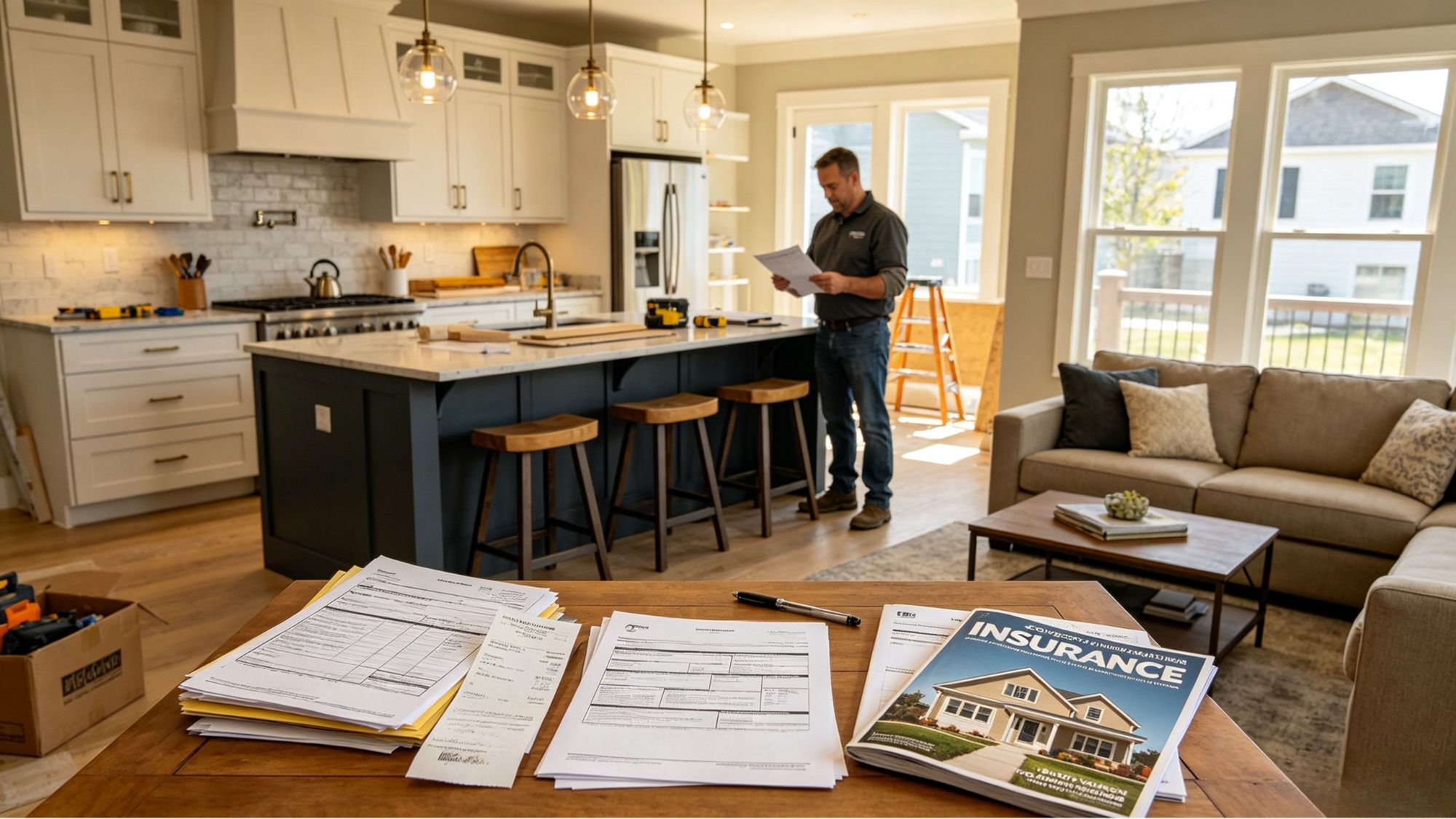
For example, a homeowner who completes a major kitchen renovation may increase the cost required to repair or rebuild the property after a covered loss. Similarly, acquiring valuable jewelry, artwork, or collectibles may require additional endorsements because standard policies often include specific coverage limits for certain categories of personal property.
Reviewing these changes annually helps ensure that policy information reflects the current condition and value of insured assets.
Deductibles represent the portion of a loss that the policyholder agrees to pay before insurance coverage applies. Over time, household finances may change, making previous deductible choices less suitable.
A household with stronger emergency savings may consider whether a higher deductible could reduce premium costs while still maintaining a comfortable financial reserve. On the other hand, families experiencing increased expenses or reduced savings may prefer lower deductibles to limit unexpected out-of-pocket costs.
The right balance depends on individual financial circumstances. An annual review provides an opportunity to compare deductible levels with current savings, income stability, and overall risk tolerance.
Insurance markets change constantly. Premium adjustments may occur because of inflation, regional risks, claims trends, regulatory changes, or broader market conditions.
A renewal notice should not automatically be treated as a routine payment reminder. Instead, it can serve as a point for reviewing:
Whether coverage limits still match current needs.
Whether premiums have changed significantly compared with previous years.
Whether policy terms or exclusions have been updated.
Whether competing insurance options provide comparable protection.
Comparing available options does not always mean changing providers. In some cases, an existing insurer may still offer appropriate coverage and service. However, reviewing alternatives can help policyholders understand whether their current policies remain competitive.
Annual reviews become especially important after significant life events. Changes that may require insurance updates include:
Marriage or divorce.
The birth or adoption of children.
Purchasing or selling a home.
Starting or expanding a business.
Significant changes in income or investment assets.
Retirement or changes in employment benefits.
For example, a person who receives employer-sponsored life or disability insurance may need to evaluate whether that coverage remains available after changing jobs. Similarly, families with new dependents may need to review beneficiary information and income replacement planning.
Keeping insurance decisions connected to broader financial planning helps prevent outdated policies from remaining in place after personal circumstances have changed.
The effectiveness of an insurance review depends on consistency. Waiting until after a claim occurs often makes it difficult to correct missing coverage or outdated information.
Many households choose to schedule an annual review approximately 30 to 60 days before major policy renewals. This timing allows enough opportunity to:
Gather current policy documents.
Compare coverage limits.
Discuss changes with insurance professionals.
Update endorsements or beneficiary information when necessary.
For individuals with complex financial situations, such as business owners, property investors, or families using trusts, coordinating insurance reviews with tax and estate planning discussions may provide additional clarity.

Insurance policies should evolve alongside financial circumstances rather than remain unchanged for years. Regular annual reviews help households evaluate whether coverage limits, deductibles, and policy structures continue to reflect their current assets, responsibilities, and risk exposure.
By maintaining an organized policy inventory, reviewing liability and property protection, reassessing deductibles, monitoring market changes, and updating coverage after major life events, policyholders can build a more responsive insurance strategy. A consistent review process turns insurance management from a passive renewal activity into an ongoing part of responsible financial planning.