

Insurance policies are designed to provide continuous protection, which is why automatic renewal has become a standard feature for many auto, homeowners, renters, and umbrella insurance plans. Once payment information is established, policies can often continue from one term to the next with minimal action required from the policyholder.
However, convenience can sometimes lead to outdated coverage decisions. A policy that was appropriate several years ago may no longer reflect current property values, household changes, financial circumstances, or evolving risks. Reviewing coverage before renewal helps policyholders identify potential gaps, update important details, and confirm that their insurance protection still matches their current situation.
An annual insurance review does not require rebuilding an entire policy from scratch. Instead, it focuses on evaluating key areas such as coverage limits, deductibles, liability protection, and recent life changes that may affect insurance needs.
When an insurance policy renews automatically, the insurer typically updates the premium based on factors such as claims trends, inflation, regional risks, and changes in insurance markets. However, the underlying policy structure often remains unchanged unless the policyholder requests modifications.
This means important personal updates may not automatically appear in the renewed contract.
For example, a homeowner who completed a major renovation, purchased expensive equipment, or added new valuable belongings may still have the same coverage limits as before. Similarly, a household that has accumulated additional assets may need to reconsider whether existing liability protection remains appropriate.
Regular policy reviews help ensure that coverage evolves alongside real-world circumstances.

One of the most important parts of an insurance renewal review is confirming whether property coverage still reflects current rebuilding costs.
Homeowners should review recent changes that may affect replacement costs, including:
Kitchen or bathroom renovations.
Home additions or structural improvements.
New roofing, electrical, or plumbing upgrades.
Installation of specialized equipment such as solar panels.
Newly acquired high-value personal belongings.
These updates may affect the amount of coverage needed because rebuilding costs are influenced by construction materials, labor expenses, and local market conditions.
A policy limit that was appropriate several years earlier may not fully represent current rebuilding expenses. Reviewing coverage limits and available endorsements can help homeowners determine whether adjustments are needed.
Different policies may use different methods for determining claim payments. Some policies consider actual cash value, which accounts for depreciation, while others may provide replacement cost coverage under specific conditions.
Because coverage terms vary between insurers and states, policyholders should review their declarations page and policy documents carefully to understand how losses would be calculated.
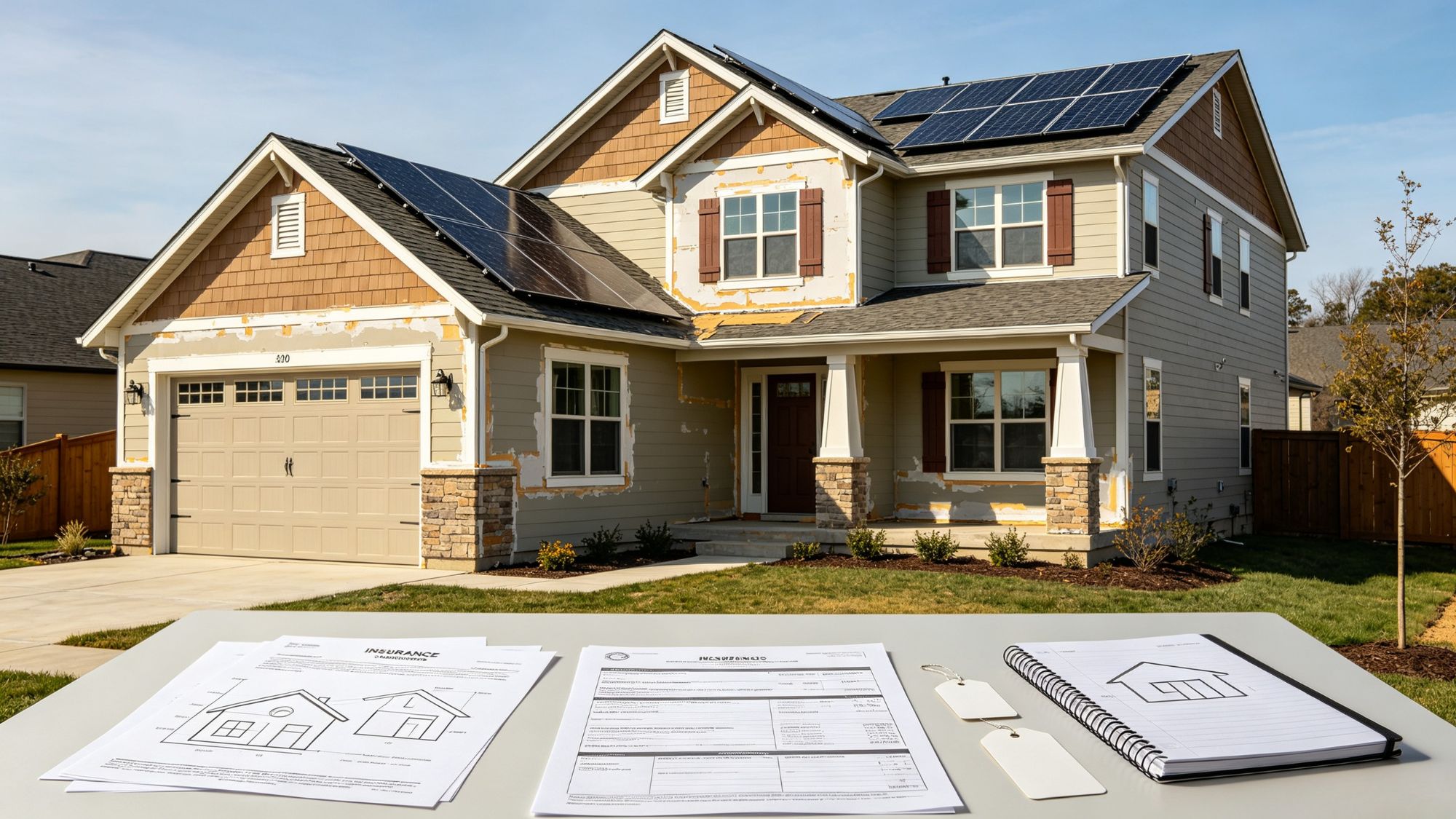
Property insurance is not only about protecting physical assets. Liability coverage is another important component that protects individuals from certain claims arising from accidents or injuries.
Over time, financial circumstances can change significantly. Factors that may influence liability needs include:
Increased home equity.
Growth in investment accounts.
Higher household income.
New recreational activities or property features.
Additional drivers in the household.
For example, families with teenage drivers, swimming pools, rental properties, or significant personal assets may want to review whether their existing liability limits still fit their risk profile.
Some policyholders also consider umbrella liability policies, which provide additional coverage above underlying auto or homeowners liability limits. Whether this type of coverage is appropriate depends on individual circumstances, financial exposure, and risk tolerance.

A deductible represents the amount a policyholder pays before insurance coverage applies to a covered claim. Choosing the right deductible involves balancing monthly premium costs with the ability to handle unexpected expenses.
A lower deductible generally means higher premiums because the insurer assumes more of the financial responsibility for smaller claims. A higher deductible may reduce premium costs but requires greater financial preparation if a claim occurs.
During a renewal review, policyholders can evaluate:
Current emergency savings.
Expected ability to cover unexpected repairs.
Recent changes in household income.
The financial impact of different deductible options.
The appropriate deductible level depends on personal financial circumstances rather than a universal recommendation.
Insurance policies are closely connected to personal circumstances. Changes in daily life can create situations where existing coverage no longer reflects current needs.
Important events to review before renewal include:
Adding a spouse, purchasing a home with another person, or welcoming new family members may require updates to policy information.
Purchasing a new vehicle, adding a teenage driver, or changing vehicle usage can affect auto insurance requirements and pricing.
Individuals who begin operating a business from home may need to review whether standard homeowners coverage applies to business equipment, inventory, or liability risks.
Jewelry, collectibles, electronics, artwork, or specialized equipment may require additional documentation or separate endorsements depending on their value and policy terms.
The renewal period is also an opportunity to evaluate whether the current policy remains competitive.
Insurance premiums can change due to many factors, including:
Regional weather patterns.
Repair and construction costs.
Claims trends.
Regulatory changes.
Changes in insurer risk models.
A premium increase does not necessarily mean a policy is unsuitable, but a significant change may justify reviewing available options.
Policyholders can compare renewal terms with alternative quotes, review coverage differences, or consult insurance professionals to better understand whether adjustments may be beneficial.
When comparing policies, focusing only on price can be misleading. Coverage limits, exclusions, deductibles, customer service, and claims handling processes are also important considerations.
A simple yearly review process can help maintain organized insurance records and reduce the chance of outdated information.
Before renewal, policyholders can:
Review the declarations page.
Confirm insured property details.
Check coverage limits and deductibles.
Update household and vehicle information.
Review valuable possessions and recent purchases.
Store current policy documents in an organized location.
Compare renewal terms with previous years.
Keeping a record of previous policies also makes it easier to track how premiums, coverage limits, and insurance needs have changed over time.

Automatic insurance renewals provide convenience, but they should not replace regular coverage reviews. As property values, household situations, financial assets, and personal risks change, insurance policies may require adjustments to remain suitable.
By reviewing coverage limits, liability protection, deductibles, and policy updates before renewal, policyholders can maintain better alignment between their insurance plans and current circumstances. A yearly coverage review transforms insurance management from a passive renewal process into a more informed approach to long-term risk planning.