
Insurance has traditionally depended on trusted records, contractual agreements, and human review processes. When a policy is issued or a claim is filed, information must move between customers, insurers, brokers, regulators, repair providers, and other participants. As insurance companies continue to digitize operations, blockchain and smart contracts have attracted attention as possible tools for improving data coordination and automating certain insurance processes.
These technologies are being explored in areas such as claims administration, policy verification, fraud prevention, and alternative risk transfer models. However, blockchain adoption in insurance remains selective. Most insurers are not replacing their existing systems with blockchain-based platforms, but are instead examining specific situations where shared records or automated agreements may provide operational benefits.
In the U.S. insurance market, technology adoption must also operate within a complex regulatory environment. Insurance remains closely connected to consumer protection, financial oversight, and state-level regulation, meaning new technology solutions must satisfy both operational and compliance requirements.
Insurance transactions often involve multiple organizations that need access to consistent information. A commercial property claim, for example, may involve an insurer, broker, property owner, contractor, claims adjuster, and third-party inspection provider. Each participant may need access to different parts of the claim record, including policy details, damage assessments, repair estimates, and payment information.
Many insurers already use digital systems to manage these processes, but information is often stored across separate platforms. When multiple organizations need to verify the same records, differences between databases can create additional administrative work, repeated reviews, and delays during the claims process.
Blockchain provides a shared digital record system where authorized participants can review transaction histories and track changes. In insurance applications, this approach may support processes such as policy verification, claims documentation, fraud analysis, and audit management.
The potential value of blockchain is not simply that information becomes digital. Insurance companies have used digital databases for decades. The difference is that blockchain can allow multiple parties to access a synchronized record without each organization maintaining completely separate versions of the same information.
For example, in a commercial property insurance claim, a shared record system could allow authorized participants to review verified claim information without repeatedly exchanging updated documents through separate systems. This type of coordination may reduce administrative friction, although insurers would still need to address privacy requirements, data accuracy, and regulatory obligations.
The National Association of Insurance Commissioners (NAIC) has discussed blockchain as a technology with possible applications in insurance operations, including areas related to data exchange, claims processing, and efficiency improvements. However, blockchain remains an emerging technology within insurance rather than a universal industry standard.
This distinction is important because insurance systems prioritize reliability and regulatory compliance. A technology must demonstrate measurable improvements before insurers are likely to replace established processes.
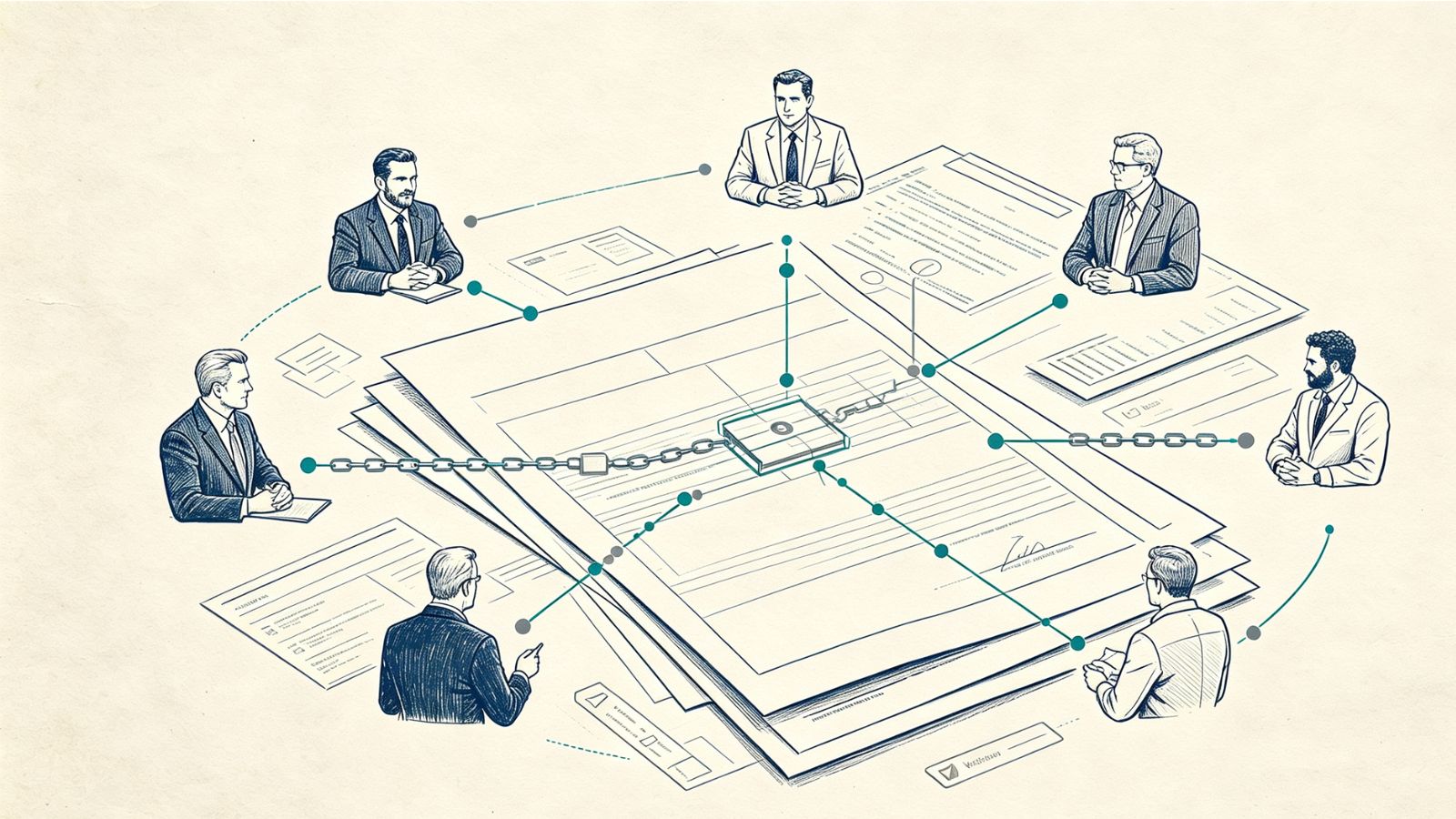
A smart contract is a computer program designed to execute predefined actions when specific conditions are satisfied. In insurance, smart contracts are often discussed in connection with automated claims processing and parametric insurance products.
Traditional insurance claims usually require a review of actual losses. For example, after a property is damaged, an insurer may need to evaluate the damage, confirm coverage, investigate circumstances, and determine the appropriate payment.
Smart contracts operate differently because they rely on predetermined rules and verified information. A parametric insurance policy may be structured around a measurable event, such as a specific rainfall level, earthquake magnitude, or wind speed. When the agreed trigger occurs and the data source confirms the event, payment can be initiated according to the policy conditions.
The Etherisc Generic Insurance Framework (GIF) is one example of a blockchain-based infrastructure project exploring decentralized insurance applications. The framework focuses on using smart contracts to manage parts of insurance processes, particularly products where conditions can be clearly defined in advance.
However, automation does not eliminate the need for insurance expertise. A smart contract can execute programmed instructions, but it cannot independently evaluate complicated situations involving disputed liability, unclear damages, or unusual circumstances.
The effectiveness of automated insurance systems depends heavily on the reliability of the data and whether the selected conditions accurately reflect the financial impact of an insured event.
Blockchain can record information securely, but it cannot independently determine whether external events have actually occurred. This creates one of the most important technical issues in blockchain-based insurance: the oracle problem.
The oracle problem describes the challenge of connecting blockchain systems with trustworthy outside data. A smart contract may function exactly according to its programming, but inaccurate information entering the system can still lead to an incorrect result.
This issue is especially relevant for parametric insurance. These products may rely on information from weather stations, satellites, aviation systems, or other external data providers. The selected data source must accurately represent the risk being measured.
For example, a weather-based insurance product may automatically issue payment after a defined weather event. However, a single measurement point may not always reflect the actual losses experienced by policyholders across a wider geographic area.
Because of these limitations, blockchain-based insurance models are generally better suited for risks with clearly measurable conditions. Complex claims that require human investigation and professional judgment remain more difficult to automate.
Blockchain has also been explored as a foundation for alternative insurance structures, including decentralized insurance models. Traditional insurance relies on regulated companies that collect premiums, evaluate risks, and manage claims, while decentralized approaches examine whether technology platforms and shared risk pools can support certain types of coverage through automated rules.
Projects such as Etherisc have explored blockchain-based insurance frameworks where smart contracts can manage elements such as policy conditions, risk pools, and automated payments. However, decentralized insurance projects remain relatively small compared with traditional insurance markets and continue to face regulatory and adoption challenges.
One area where blockchain experimentation has received industry attention is reinsurance. Reinsurance involves complex agreements between insurers and reinsurers, often across multiple jurisdictions, making information sharing and contract management important operational issues.
The B3i (Blockchain Insurance Industry Initiative) was an industry collaboration involving major insurance and reinsurance companies that explored blockchain-based solutions for improving information exchange and simplifying reinsurance processes. While these efforts demonstrated industry interest, blockchain adoption across reinsurance remains limited.
The reason is practical: insurance transactions involve more than technology. Companies must also address regulatory requirements, financial stability, privacy protection, and operational reliability before implementing new systems.
The most realistic applications of blockchain in U.S. insurance are likely to focus on specific operational problems rather than replacing existing insurance systems. Claims administration is one possible area because multiple organizations often need to coordinate information during a claim.
Consider a commercial liability claim involving a business owner, an insurance carrier, a legal representative, and several external service providers. Each participant may need access to different records, including coverage information, claim status updates, and supporting documentation. A shared data structure could help authorized parties verify information more efficiently while maintaining clear records of changes.
Commercial insurance and reinsurance are also areas where shared data systems may provide potential value. Large insurance arrangements often require cooperation between different organizations, making consistent information exchange an important part of the process.
Fraud prevention is another possible application. A reliable transaction history may help insurers identify inconsistencies between records submitted by different parties, although blockchain alone cannot eliminate fraud.
At the same time, insurers must consider privacy and cybersecurity concerns. Insurance companies manage sensitive customer information, including financial details and personal data, so any blockchain implementation must meet strict security and regulatory expectations.
Despite continued interest, blockchain has not become a standard technology across most insurance operations. One major challenge is integration because large insurers often rely on established policy administration systems, claims platforms, and regulatory reporting tools.
Governance is another issue. Insurance companies must determine who can access information, who maintains the system, and how disagreements are resolved when multiple organizations participate.
Smart contract design also requires careful oversight. Programming errors, unreliable data sources, or poorly defined rules could create problems that are difficult to correct after automated transactions occur.
For these reasons, many insurers are approaching blockchain adoption cautiously. The technology is more likely to gain wider use where it solves a specific operational challenge and provides measurable value.
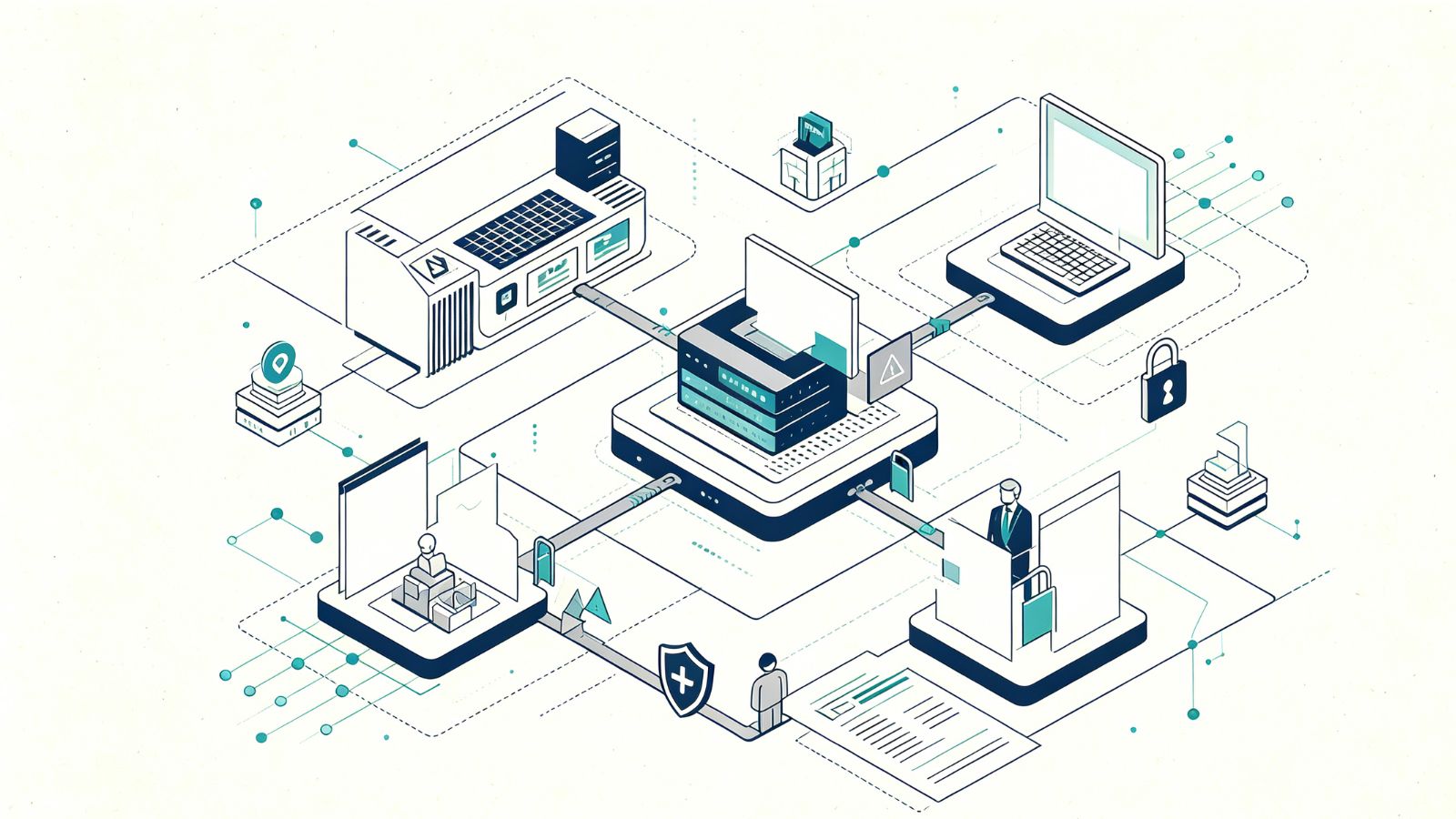
Blockchain and smart contracts may provide useful tools for certain insurance applications, especially where shared records, automated rules, and reliable data sources can improve specific processes.
Their long-term role will depend on practical considerations such as regulatory acceptance, system reliability, customer protection, and demonstrated operational benefits. Traditional insurance processes will continue to remain important because many claims require professional judgment, investigation, and regulatory oversight.
Blockchain may become one component of future insurance technology systems, but its value will depend on how effectively it addresses real industry needs rather than on technological expectations alone.