

When unsecured debt becomes difficult to manage, consumers often encounter many different debt relief options. Advertisements may present various solutions, but these approaches work in very different ways and carry different financial consequences.
Understanding the differences between credit counseling, debt management plans, debt consolidation, and debt settlement can help consumers evaluate which approach may fit their financial situation.
Credit counseling is often the first step for consumers who need help organizing debt payments. Many counseling agencies provide budgeting assistance, financial education, and reviews of income, expenses, and outstanding debts.
During a counseling session, a counselor may help consumers determine whether they can continue managing payments independently or whether a structured repayment option may be appropriate.
Credit counseling itself does not directly reduce debt balances, but it can help consumers understand their options and create a clearer repayment strategy.

A Debt Management Plan (DMP) is a repayment arrangement usually created through a credit counseling agency.
Instead of making separate payments to multiple creditors, consumers typically make one monthly payment to the agency, which distributes funds according to the agreed plan.
Potential benefits may include:
Simplified monthly payments
Possible interest rate reductions depending on creditor agreements
A structured timeline for repaying unsecured debt
However, DMPs usually require consumers to repay the full principal amount owed. Credit card accounts included in the plan may also be closed, which can affect credit utilization and account management.

Debt consolidation involves using a new financial product, such as a personal loan, to combine several existing debts into one payment.
This approach may help consumers:
Reduce the number of monthly payments
Create a more predictable repayment schedule
Potentially lower interest costs if the new loan has better terms
However, consolidation does not eliminate debt. Consumers still owe the same underlying balance, and using credit cards again after consolidation may create additional financial pressure.
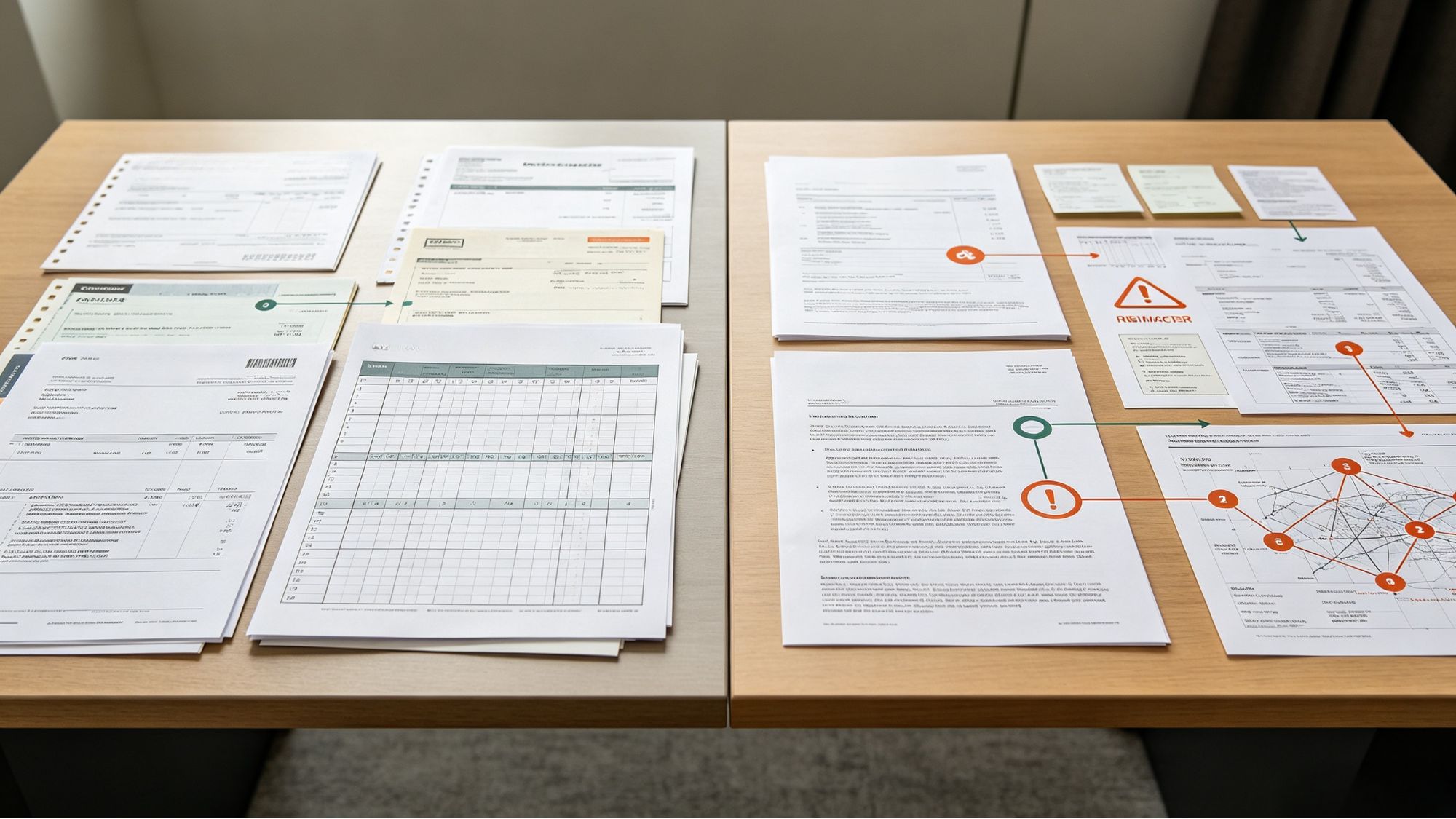
Debt settlement works differently from repayment-based strategies. Instead of paying the full balance over time, settlement companies may negotiate with creditors to accept a reduced amount.
While settlement may reduce the total amount owed in some situations, it also involves significant risks.
Possible consequences include:
Negative credit reporting from missed payments
Collection activity while accounts remain unpaid
Potential legal actions depending on circumstances
Possible tax consequences from forgiven debt
Because of these risks, debt settlement is generally considered a more complex option for consumers experiencing serious repayment difficulties.
The most suitable option depends on a consumer’s financial condition.
For example:
Consumers who can afford repayment but need organization may consider credit counseling or a DMP.
Consumers with strong credit profiles may explore consolidation options.
Consumers facing severe financial hardship may evaluate settlement or other solutions with professional guidance.
Before choosing any approach, consumers should review interest rates, fees, credit impact, and long-term repayment requirements.

Credit counseling, debt management plans, debt consolidation, and debt settlement each address financial challenges in different ways. Some options focus on organizing repayment, while others attempt to restructure or reduce debt under more complex conditions.
Understanding how each method works allows consumers to evaluate potential benefits and risks more carefully. A thoughtful approach based on personal financial circumstances can help individuals make more informed decisions about managing debt.