
A traveler booking a flight, a shopper purchasing an expensive device, or a customer using a digital marketplace may now encounter insurance options during the same transaction. Instead of searching for coverage separately, consumers can be presented with protection choices while completing a related purchase or service decision.
This approach is known as embedded insurance. It integrates insurance products into existing digital experiences, allowing coverage options to appear within e-commerce platforms, travel services, mobility applications, and other online transactions.
Embedded insurance is not designed to replace traditional insurance channels. Rather, it represents another way for insurers and digital platforms to connect consumers with coverage options. The model has attracted attention because it may simplify access to certain insurance products, but it also creates new responsibilities involving transparency, data use, consumer understanding, and regulatory compliance.
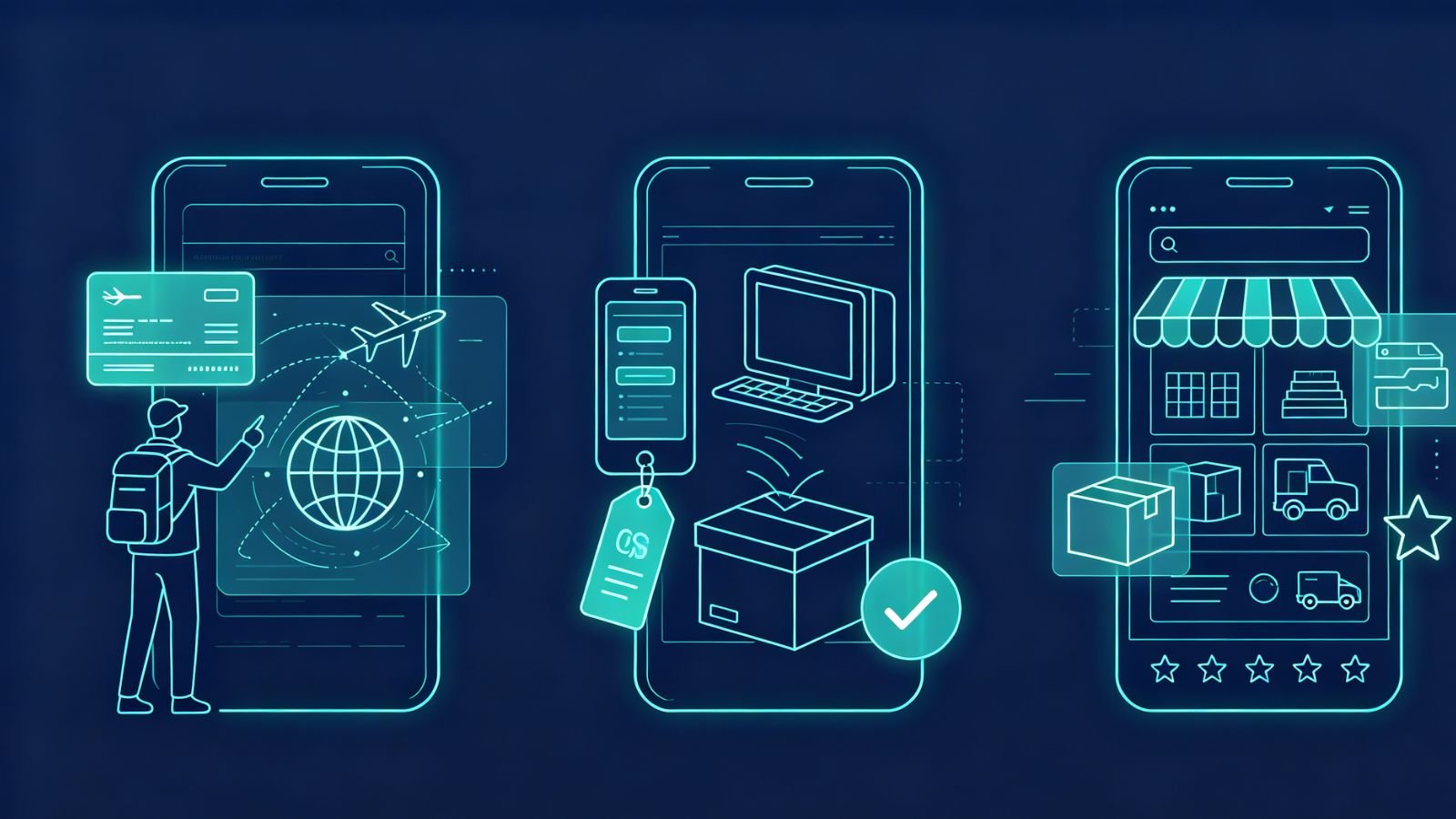
Embedded insurance refers to insurance products that are offered within a non-insurance customer experience. Instead of requiring customers to search for an insurer separately, coverage is integrated into another transaction or digital service.
Examples can be found across different industries. A traveler booking a flight may receive an option for travel protection during checkout. A customer purchasing a high-value electronic product online may see protection coverage connected to that item. A vehicle buyer may encounter insurance services through the same digital ecosystem used to purchase and manage the vehicle.
One example from the U.S. market is Tesla Insurance. Tesla Insurance allows eligible customers in supported states to request quotes and manage certain insurance-related services through Tesla’s digital platforms. The service connects vehicle ownership with a digital insurance experience, although availability, coverage options, and pricing methods vary depending on the state and customer circumstances.
The Tesla example shows how embedded insurance can develop when a company already maintains a direct digital relationship with customers. A vehicle manufacturer that manages vehicle information, ownership services, and customer accounts may have an opportunity to integrate insurance-related functions into that same environment.
However, integration does not remove the traditional requirements of insurance. Customers still need to understand policy terms, coverage limits, exclusions, deductibles, and the identity of the insurer responsible for underwriting and claims decisions.
The structure of embedded insurance usually involves cooperation between several types of organizations:
Insurance companies provide underwriting expertise, policy administration, and claims handling.
Digital platforms provide access to customers and integrate insurance options into existing transactions.
Technology providers create software systems that connect insurance services with digital experiences.
The purpose of this model is to place insurance closer to the point where a potential risk is easier to recognize. A customer purchasing a camera, booking a trip, or acquiring a vehicle may be more interested in considering protection at the time of purchase than during a separate search for insurance months later.
At the same time, companies offering embedded insurance must make clear that insurance remains a regulated financial product rather than simply an optional feature of a digital platform.
Digital commerce has created new opportunities for embedded insurance because online platforms already organize transactions around specific customer needs.In e-commerce, one common application involves protection for purchased goods. Consumers buying electronics, appliances, or other higher-value products may be offered coverage options during checkout. This allows customers to consider protection while the value of the purchase and potential risks are still clear.
The convenience of this approach can be useful, but convenience alone does not determine whether coverage is appropriate. Consumers should still review important details, including coverage limits, deductibles, exclusions, and whether existing warranties, credit card benefits, or other insurance policies already provide similar protection.
Travel platforms provide another example because travel purchases often involve uncertainty. Flights, hotel reservations, rental cars, and vacation packages may involve risks such as cancellations, delays, interruptions, or lost baggage.
When travel protection appears during the booking process, customers can evaluate coverage while considering the cost and circumstances of their trip. A traveler taking an international vacation may have different concerns from someone booking a short domestic trip.
For travel companies and online marketplaces, embedded insurance provides a way to offer additional services without becoming traditional insurers themselves. However, the relationship between the platform and the insurance provider should remain clear. Customers need to know who provides the policy, who processes claims, and what responsibilities each party has.
Embedded insurance operates within the existing U.S. insurance regulatory framework rather than outside it. In the United States, insurance regulation is primarily conducted at the state level, meaning companies involved in offering insurance products must comply with applicable licensing, disclosure, and consumer protection requirements.
State insurance regulators, with support from organizations such as the National Association of Insurance Commissioners (NAIC), address issues related to insurance practices, market conduct, consumer protection, and technology-related developments. The NAIC also provides resources and guidance on topics such as insurance data use, privacy considerations, and regulatory coordination.
The regulatory complexity of embedded insurance often comes from the involvement of companies that are not traditional insurers. An online marketplace, travel platform, or technology company may provide the customer interface, while an insurer or licensed insurance professional handles activities such as underwriting, policy issuance, or claims decisions.
One practical compliance issue involves licensing requirements. Activities such as soliciting, negotiating, or selling insurance may require appropriate licensing depending on the state and the role a company performs. As a result, technology companies that want to provide insurance options through digital platforms often need to structure partnerships carefully with licensed insurers, agents, brokers, or other authorized entities.
This creates challenges for companies that want to provide a simple digital experience. A platform may want a seamless checkout process, but it must still ensure that required disclosures are provided and that consumers can identify the insurance provider or licensed representative involved in the transaction.
Disclosure requirements are another important consideration. Consumers need understandable information about coverage terms, costs, exclusions, and claims procedures before making a purchase decision. A short digital interface may improve convenience, but it cannot replace the information required under applicable insurance rules.
For consumers, the regulatory framework means that buying insurance through a digital platform does not change the importance of reviewing policy information. The convenience of an integrated experience should not replace understanding who provides the coverage, what protections are included, and what limitations apply.
Technology plays a central role in enabling embedded insurance models.Digital systems allow platforms, insurers, and service providers to connect customer interfaces, payment systems, policy administration tools, and claims processes. Application programming interfaces (APIs), automated workflows, and digital payment systems make it possible for insurance options to appear within online transactions.
Data can also influence how these products are designed. Information related to a purchase, travel booking, or service request may help determine which coverage options are relevant.For example, a travel platform may present different protection options depending on whether a customer is booking an international trip, a domestic flight, or a higher-value travel package. A retailer may offer different protection choices depending on the type and value of a purchased product.
However, the use of data introduces important responsibilities. Companies must consider privacy requirements, data security, and transparency when collecting and using customer information. More data does not automatically create better insurance products. Information must be accurate, relevant, and used in ways customers can understand.

Although embedded insurance can make some forms of coverage easier to access, it also has practical limitations.One concern is consumer awareness. When insurance appears as an additional option during a larger transaction, some customers may focus primarily on completing the purchase and may not carefully review the policy details. Important information about exclusions, deductibles, coverage limits, and claim requirements must remain understandable.
Another issue is product suitability. A convenient insurance option is not necessarily the right option for every consumer. Some individuals may already have similar protection through existing insurance policies, warranties, memberships, or financial products.
Trust is also an important consideration. When a company selling a product or service presents insurance options, consumers may want to understand whether the recommendation is designed around their needs, the platform’s business model, or both.
Regulatory compliance adds another layer of complexity. Insurance remains a regulated financial service even when it is delivered through a digital platform. Companies involved in embedded insurance must consider licensing obligations, required disclosures, advertising standards, and consumer protection rules.
The continued development of embedded insurance will depend on whether companies can balance accessibility with consumer understanding.
Digital infrastructure, automation, and data analysis may allow insurers and platforms to design more targeted coverage options. Protection may become more closely connected to specific purchases, travel arrangements, or service-based transactions.
For example, insurance options may become more closely aligned with the type of product purchased or the circumstances surrounding a transaction. A customer purchasing specialized equipment may receive different protection choices from someone buying a lower-risk item.
At the same time, embedded insurance is unlikely to replace traditional insurance channels. Many insurance needs still involve broader coverage decisions, detailed underwriting, or long-term relationships with insurers.
Instead, embedded insurance is likely to remain another method for consumers and businesses to access coverage. Its continued adoption will depend on whether companies can provide relevant protection while maintaining clear communication and consumer trust.
Embedded insurance ecosystems are influencing how consumers encounter insurance by placing coverage options within digital transactions where specific risks naturally arise.
From online shopping and travel bookings to digital marketplaces and vehicle ownership platforms, integrated insurance models provide another way to consider protection. Their value depends on more than convenience; they also require transparent policy information, responsible data practices, and appropriate regulatory oversight.
As digital services continue to develop, embedded insurance may become one of several ways consumers access insurance coverage. Its continued adoption will depend on maintaining a balance between easier access to protection and the consumer safeguards that make insurance understandable and reliable.