
Owning valuable property creates a radically different insurance challenge compared to simply acquiring general consumer goods. Fine art, antique furniture, luxury timepieces, rare collectibles, fine musical instruments, and designer jewelry are often notoriously difficult to value, authenticate, replace, or even describe accurately after a devastating loss event occurs. While a standard homeowners insurance policy provides baseline property protection, strict sub-limits on valuable possessions and rigid policy conditions frequently leave a massive financial gap between an item's true market value and the actual cash recovery available after a theft or fire.
For affluent households, comprehensive asset protection demands far more than merely selecting a higher overall property coverage limit. The process begins with identifying which specific possessions require specialized underwriting treatment, establishing credible independent appraisals, documenting legal ownership and physical condition, and understanding how an insurance carrier handles unique loss scenarios. The primary objective is not simply insuring expensive objects against theft, but ensuring that your broader financial protection framework accurately mirrors how those high-value assets are owned, stored, transported, displayed, and utilized.
A traditional homeowners insurance policy is engineered to cover standard personal belongings against broad perils, but high-value categories almost universally feature restrictive sub-limits. Fine jewelry serves as a prime example: industry data confirms that standard policies generally cap theft payouts at minimal thresholds, completely ignoring the true replacement cost of luxury pieces. Similar statutory and contractual restrictions impact high-end art collections, rare furs, antique silver, and designer collectibles.
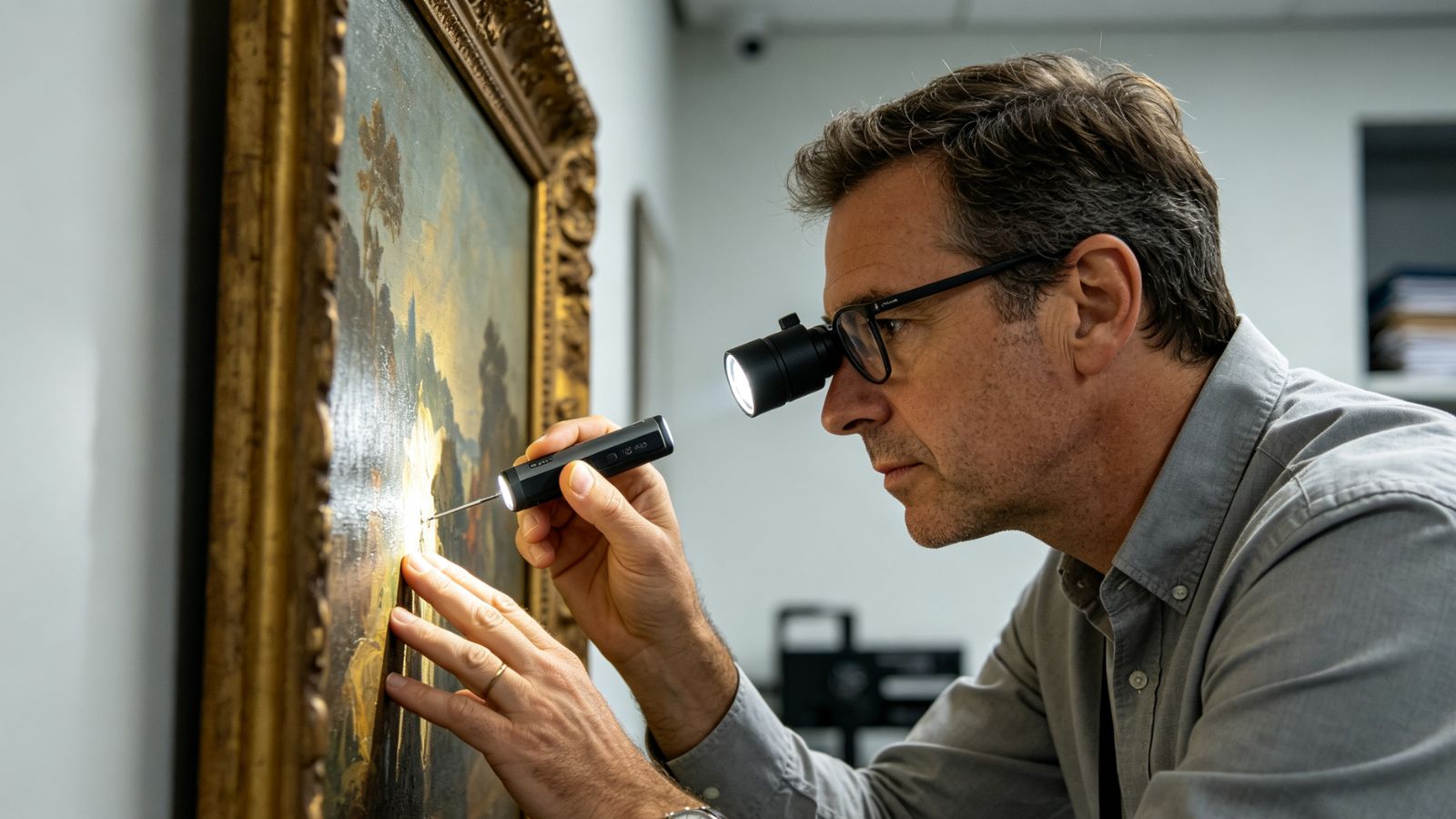
The complexity multiplies exponentially when an insured item possesses unique historical or artistic characteristics. A masterwork painting derives its monetary value from verified artist provenance, current condition, and historical comparable auction sales, whereas a rare mechanical watch depends heavily on internal authenticity, market demand, and the completeness of its original factory components. Furthermore, family heirlooms often possess substantial financial worth even though the current owner has never commissioned a formal market appraisal. These intricate characteristics render standard household inventories obsolete, as underwriters require precise documentation establishing authenticity, condition, and pre-loss value.
Concentration risk represents another major structural vulnerability for collectors. Storing dozens of valuable objects inside a single residential property means that a localized fire, major plumbing leak, or professional burglary could devastate a significant percentage of an owner's overall net worth. Evaluating aggregate asset exposure across the entire estate is vastly superior to assessing individual possessions in isolation.
Establishing a credible valuation is the absolute foundation of specialized asset protection. The appropriate valuation methodology varies significantly depending on the overarching financial objective, as an insurance appraisal serves a fundamentally different purpose from an appraisal prepared for estate planning, charitable donations, taxation, or open-market liquidation. Federal regulatory bodies such as the Internal Revenue Service outline rigorous compliance requirements for qualified appraisals utilized in charitable property deductions, demanding precise asset descriptions, credentialed appraiser qualifications, and verified comparable market transactions.
For insurance purposes, policyholders must thoroughly understand which valuation metric their specific contract relies upon. Retail replacement cost, appraised fair market value, auction hammer price, and purchase price are rarely interchangeable terms. Contractual policy wording ultimately dictates how a covered loss is calculated, meaning formal appraisals must be tightly synchronized with your insurance schedule rather than treated as standalone documents.
Comprehensive documentation is equally indispensable for high-value items. For significant art and rare collectibles, maintaining digital archives that include high-resolution photographs, original purchase receipts, provenance histories, certificates of authenticity, prior appraisal certificates, and conservation or restoration logs provides undeniable proof of ownership when filing a complex claim.
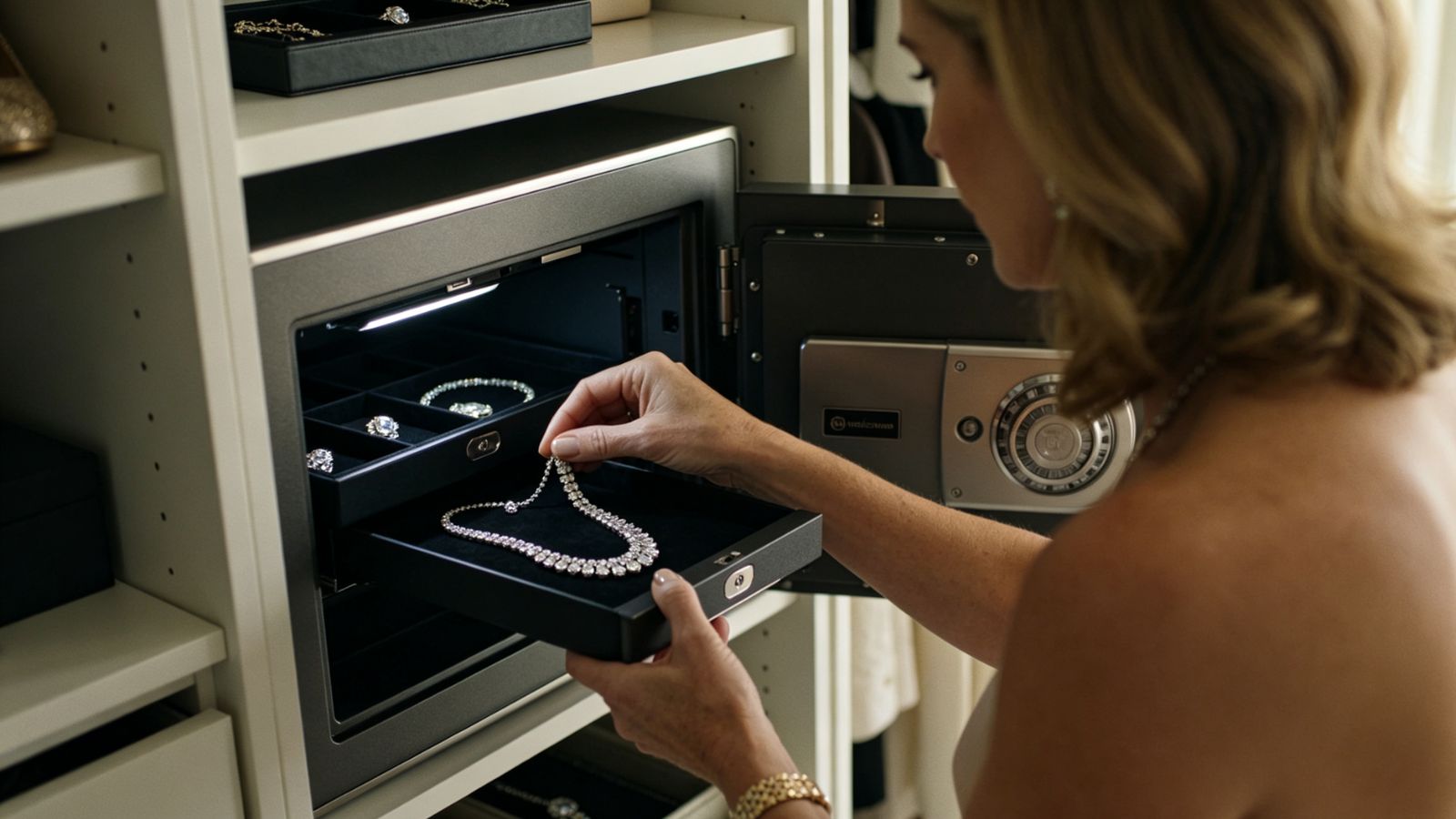
The most reliable solution for protecting high-value property is scheduling individual items through dedicated policy endorsements or specialized personal property floaters. Instead of relying blindly on the blanket personal property limit written into a standard homeowners policy, specific valuables are itemized, described in detail, and insured for an agreed specific amount.
The strategic advantage of scheduling goes far beyond securing a higher maximum payout. A scheduled personal articles floater often provides broader "all-risk" protection that standard policies exclude, including accidental and mysterious disappearance coverage—such as accidentally dropping an expensive diamond ring down a kitchen drain or losing a luxury watch while traveling overseas. Regulatory authorities and insurance institutes consistently recommend utilizing dedicated riders for expensive jewelry and fine art when baseline homeowners limits prove inadequate.
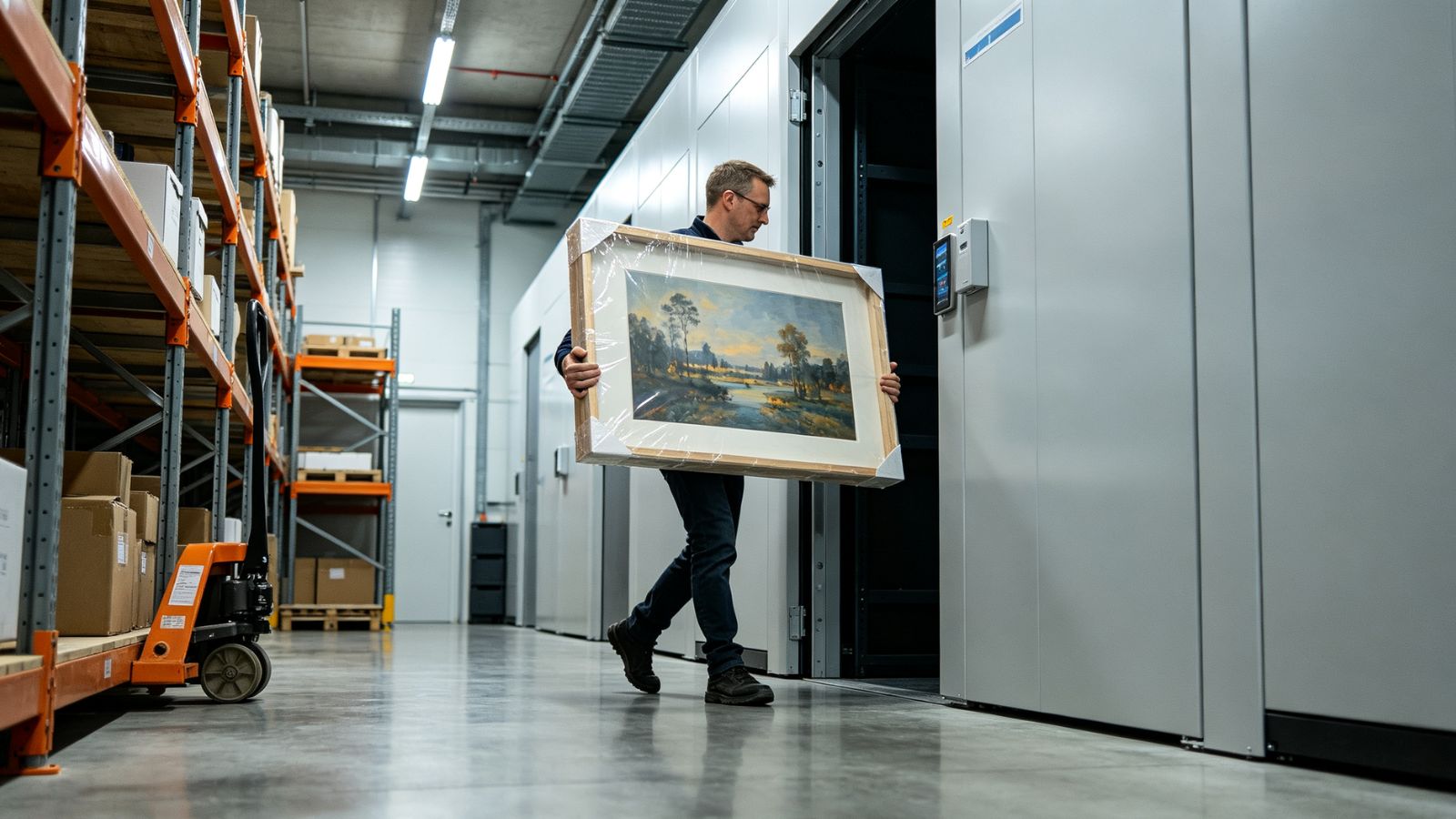
However, policy details and administrative conditions require meticulous review. Asset owners must examine applicable deductibles, territorial coverage limits, pairs and sets provisions, mandatory professional restoration clauses, and specific security requirements. An artwork that travels constantly between private residences, public exhibition galleries, and specialized restoration studios introduces an entirely different risk profile compared to a painting kept permanently mounted on a secure home wall.
Insurance coverage represents only one defensive layer in a sophisticated wealth protection strategy. The physical environment where valuable property is stored directly influences both the statistical probability of a loss and the willingness of an underwriter to issue coverage. For instance, insurance carriers evaluate the frequency of use when determining jewelry risk: a diamond ring worn daily faces a radically different threat environment than a luxury timepiece kept securely inside a bank vault and worn solely on formal occasions.
The exact same operational principles apply to fine art and rare collectibles. High-value paintings demand strict environmental controls, including precise temperature and humidity regulation, specialized UV-filtered lighting, and professional hanging hardware to prevent structural deterioration. Collectibles can suffer irreversible damage from subtle climate fluctuations or improper handling during routine estate maintenance. Ensuring that domestic staff and professional movers are properly vetted and insured prevents preventable transit accidents from escalating into financial disasters.
High-net-worth asset protection is never a static administrative task. The market value of fine art, luxury watches, designer jewelry, and rare antiquities fluctuates constantly in response to shifting global economic trends and collector demand. Periodic re-appraisals are essential to prevent severe underinsurance as asset appreciation outpaces historical policy limits.
A practical, highly effective inventory must itemize every significant piece individually rather than relying on lazy categorical generalizations like "jewelry" or "art collection." Detailed records should capture exact acquisition dates, purchase prices, serial numbers, physical dimensions, medium descriptions, artist attribution, and current storage locations. Secure digital backups of these records must be stored off-site or within encrypted cloud storage environments completely independent of the primary residence, ensuring immediate accessibility in the aftermath of a catastrophic structural disaster.
For affluent households, asking whether you possess enough insurance is the wrong starting point. The more probing, intelligent question is evaluating how your entire estate would weather the simultaneous loss of your most prized possessions across multiple locations.
Aligning your insurance program with the physical reality of your assets requires continuous collaboration with specialized private client brokers, estate attorneys, and certified appraisers. By combining rigorous valuation, scheduled policy floaters, proactive physical security, and dynamic digital record-keeping, high-net-worth individuals can ensure that their specialized asset protection matches the true sophistication of their lifestyle.