
Launching an entrepreneurial venture or operating a freelance practice from a residential address can quickly blur the operational boundary between personal domestic life and commercial risk. A spare bedroom is easily converted into a corporate home office, a residential garage frequently transforms into a commercial inventory warehouse, and a private driveway routinely accommodates client deliveries or visiting business associates. However, the fundamental legal and physical fact that business operations take place inside a private dwelling does not mean a standard homeowners or renters insurance policy will automatically extend adequate protection to those commercial activities.
Official risk management guidance published by the National Association of Insurance Commissioners warns that personal residential policies contain severe limitations and explicit exclusions for home-based commercial operations, particularly regarding business property, third-party liability claims, and business income losses caused by operational interruptions. Because policy definitions and state regulatory frameworks vary significantly across jurisdictions, the core issue is not simply whether a business operates from a home address, but how commercial operations fundamentally alter the physical and financial risk profile of the property. Understanding where standard residential coverage terminates and specialized commercial protection begins allows independent operators to identify hidden exposures before a fire, theft, visitor injury, or equipment loss transforms into an unmanageable financial disaster.
A traditional homeowners insurance policy is intentionally engineered around personal, non-commercial residential risks. It is designed to cover the physical dwelling structure, personal household belongings, designated additional living expenses during a displacement, and personal liability for everyday domestic situations. Commercial activities, regardless of their physical scale, generally fall entirely outside these foundational underwriting assumptions, even when the business occupies only a minor corner of a residential spare room.
A pervasive misconception among remote workers involves the insurance treatment of business equipment. According to data from the Insurance Information Institute, a typical homeowners policy often provides minimal coverage for business-related personal property—frequently capping coverage at two thousand five hundred dollars for equipment kept at the residence and substantially less for business property transported away from the home. While a minimalist digital consultant relying solely on a laptop might find that modest cap sufficient, an e-commerce retailer storing thousands of dollars in physical inventory, specialized tools, or professional photography gear faces a catastrophic coverage gap.
The exact same restrictive distinction applies to third-party liability. While a homeowner enjoys personal liability protection for routine social guests injured on the premises, that protection does not automatically extend to injuries connected specifically to commercial operations or client appointments. Insurance regulatory bodies repeatedly caution that business-related liability claims can be entirely excluded under traditional residential policy wording.
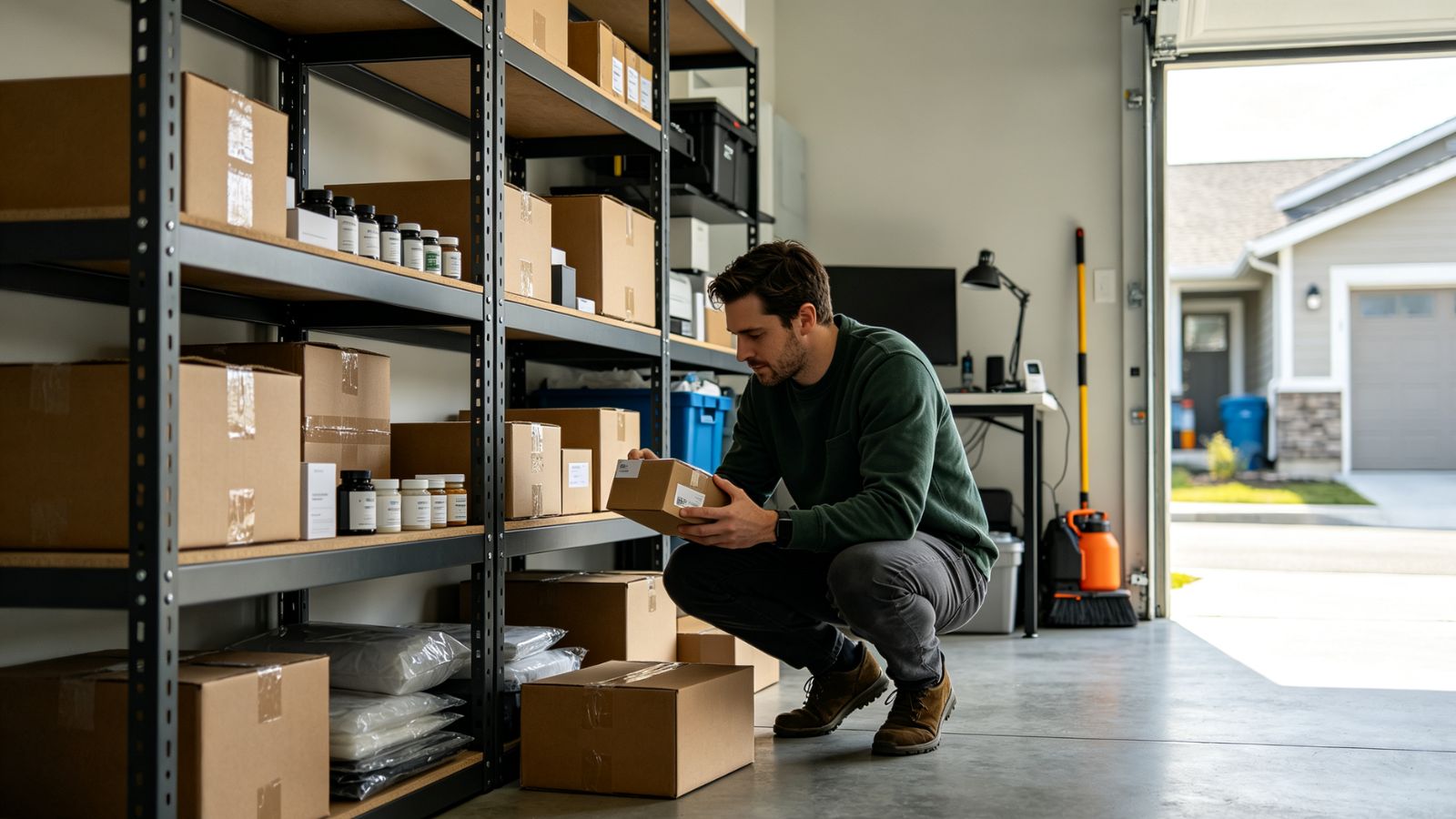
The specific type, volume, and monetary value of business property kept on residential premises dramatically alter a property's overall risk profile. A digital freelance writer who owns a portable computer and dual monitors maintains a radically different risk exposure compared to a handcrafted goods vendor storing thousands of dollars in raw materials, finished inventory, specialized packaging, and commercial shipping supplies inside a domestic garage or basement. The replacement cost of the physical items matters immensely, but location and policy definitions dictate whether an insurer will honor a claim.
Commercial inventory stored at home is rarely covered under standard residential forms without explicit policy endorsements. Business owners who erroneously assume that every physical item inside their house is automatically treated as personal property often discover this dangerous oversight only after a devastating loss event has occurred. Furthermore, the physical location of equipment outside the residence introduces additional friction. Commercial property transported to client locations, stored temporarily in transit, or utilized at external work sites frequently fails to receive the same protective treatment as ordinary household clothing and furniture. Auditing where business assets regularly travel is just as critical as calculating the value of inventory sitting in a home closet.
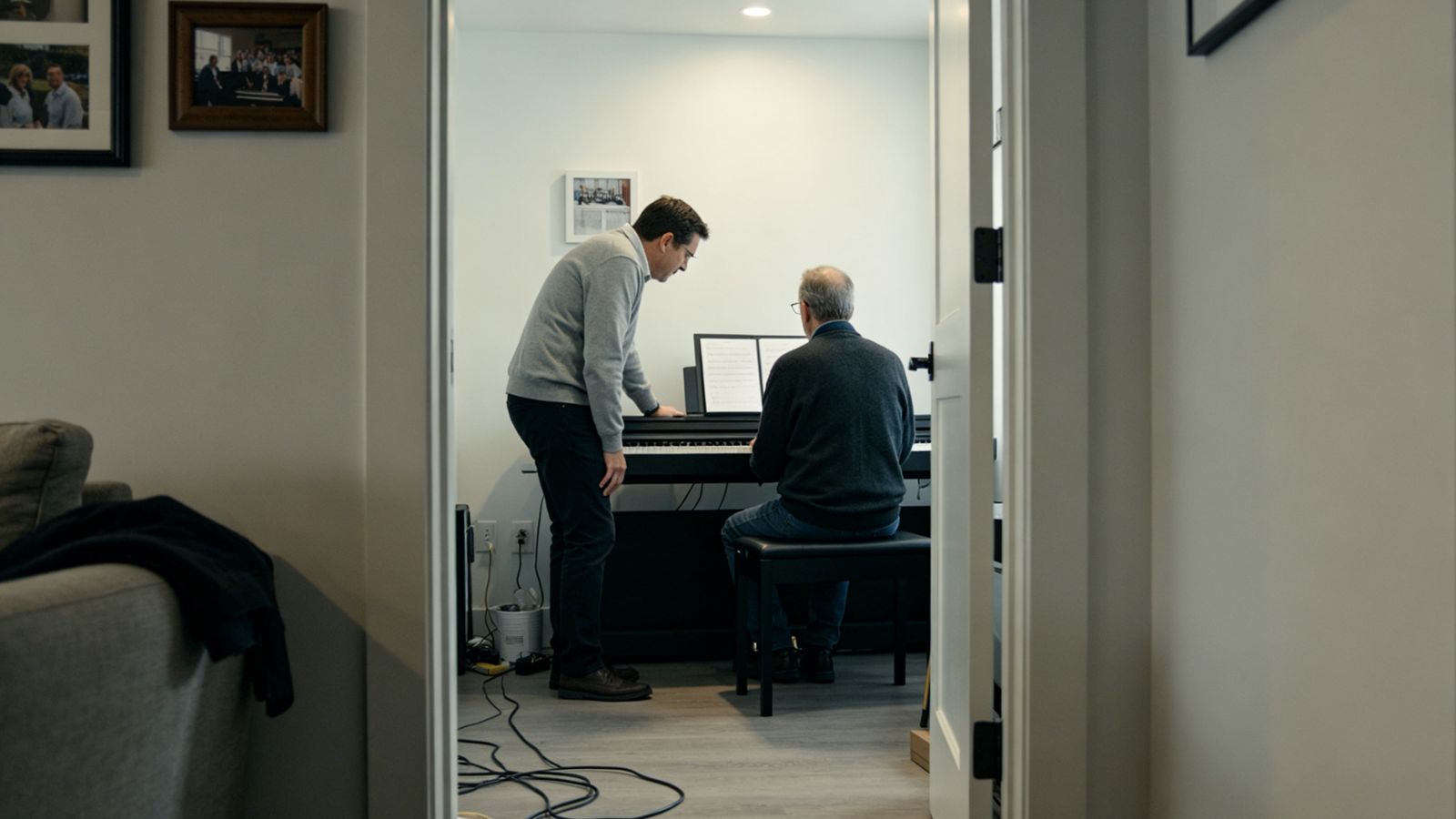
Operating a commercial venture from a residential property introduces severe liability exposures that would never exist if the real estate were utilized exclusively for private habitation. Consider a professional piano instructor, an independent hair stylist, a visiting consultant, or a mobile repair technician who regularly invites paying clients onto the residential premises. A visiting client could easily slip on an icy walkway, trip on interior stairs, or suffer another physical injury while conducting commercial business on the property.
The critical legal question for insurance underwriters is not simply whether the visitor was explicitly invited onto the property, but rather the commercial nature of the relationship between the visitor and the homeowner. While specialized homeowners endorsements for home-based businesses are available for low-traffic operations, eligibility criteria vary wildly among insurance carriers. Product-based businesses introduce an even higher tier of liability exposure. If a home-based enterprise manufactures, packages, or distributes physical consumer goods, an injury or property damage lawsuit stemming from a defective product requires dedicated commercial liability protection that far exceeds standard residential limits.
Physical property damage represents only one fraction of the potential financial devastation a home-based business can suffer during a major disaster. A residential business heavily depends on the owner's continuous ability to operate after a catastrophic event renders the dwelling temporarily uninhabitable. Suppose a major kitchen fire or severe plumbing leak makes a home office completely inaccessible for three consecutive months. While a standard homeowners policy may reimburse certain personal living expenses during repairs, it does not automatically reimburse lost commercial revenue, ongoing payroll obligations, or temporary workspace rental costs.
Insurance experts emphasize that business income and extra-expense coverage are essential considerations for any enterprise anchored to a residential address. Business interruption insurance is specifically designed to replace lost revenue and cover continuing fixed expenses during an operational suspension caused by a covered physical property loss. Whether a particular commercial loss qualifies for payout depends entirely on policy definitions, waiting periods, and specific endorsement clauses. For businesses that rely entirely on a localized home workspace, losing the capacity to operate for two months can easily cause permanent enterprise failure.

There is no single insurance product that universally fits every home-based business model. Depending on the scale and risk profile of the operation, an insurance carrier may recommend attaching a home-business endorsement to an existing residential policy, purchasing a dedicated in-home business policy, or securing a comprehensive businessowners policy.
A standard homeowners endorsement can be entirely appropriate for modest freelance operations when the insurer offers suitable business property and liability extensions. However, as an enterprise grows to include employees, frequent client appointments, expensive equipment, and regular shipping volumes, the original residential policy structure rapidly becomes obsolete. A businessowners policy, commonly known as a BOP, is engineered specifically for small enterprises by packaging commercial property, general liability, and business interruption insurance into a single cohesive contract.
Despite their comprehensive nature, standard BOPs do not automatically cover specialized risks such as professional liability errors and omissions, commercial automobile exposures, or workers' compensation obligations. Those distinct operational exposures require separate, dedicated commercial policies to ensure complete organizational protection.
Conducting a rigorous insurance audit requires starting with an objective assessment of the business operations rather than simply browsing available insurance policies. Make a comprehensive inventory of all equipment and commercial stock stored at the residence, map out who regularly visits the property, document the transit patterns of business assets, and realistically estimate the financial fallout of a prolonged operational shutdown.
Compare those identified exposures against the exact definitions, exclusions, and coverage limits written into your current residential policy declarations. Because property and casualty insurance is heavily regulated at the state level, available options differ drastically by geographic region and carrier underwriting rules. The ultimate objective is not necessarily to purchase the most expensive commercial policy on the market, but rather to ensure that your financial protection matches the actual reality of your daily business operations.