
When an insurance renewal comes back with a noticeably higher premium, it is easy to focus on the number and blame the insurer. But insurance pricing is tied closely to what insurers expect it will cost to settle future claims. Medical treatment, vehicle repairs, building materials, labor, legal defense, settlements, and judgments can all influence those costs.
That does not mean every increase in an underlying expense produces an equivalent increase in premiums. Insurance pricing is more complicated than that. Insurers consider expected losses, operating expenses, reinsurance costs, investment conditions, regulatory requirements, and the characteristics of the risks they insure.
Three areas receive particular attention when discussing claims-cost inflation: medical expenses, construction and replacement costs, and litigation trends often described as social inflation.
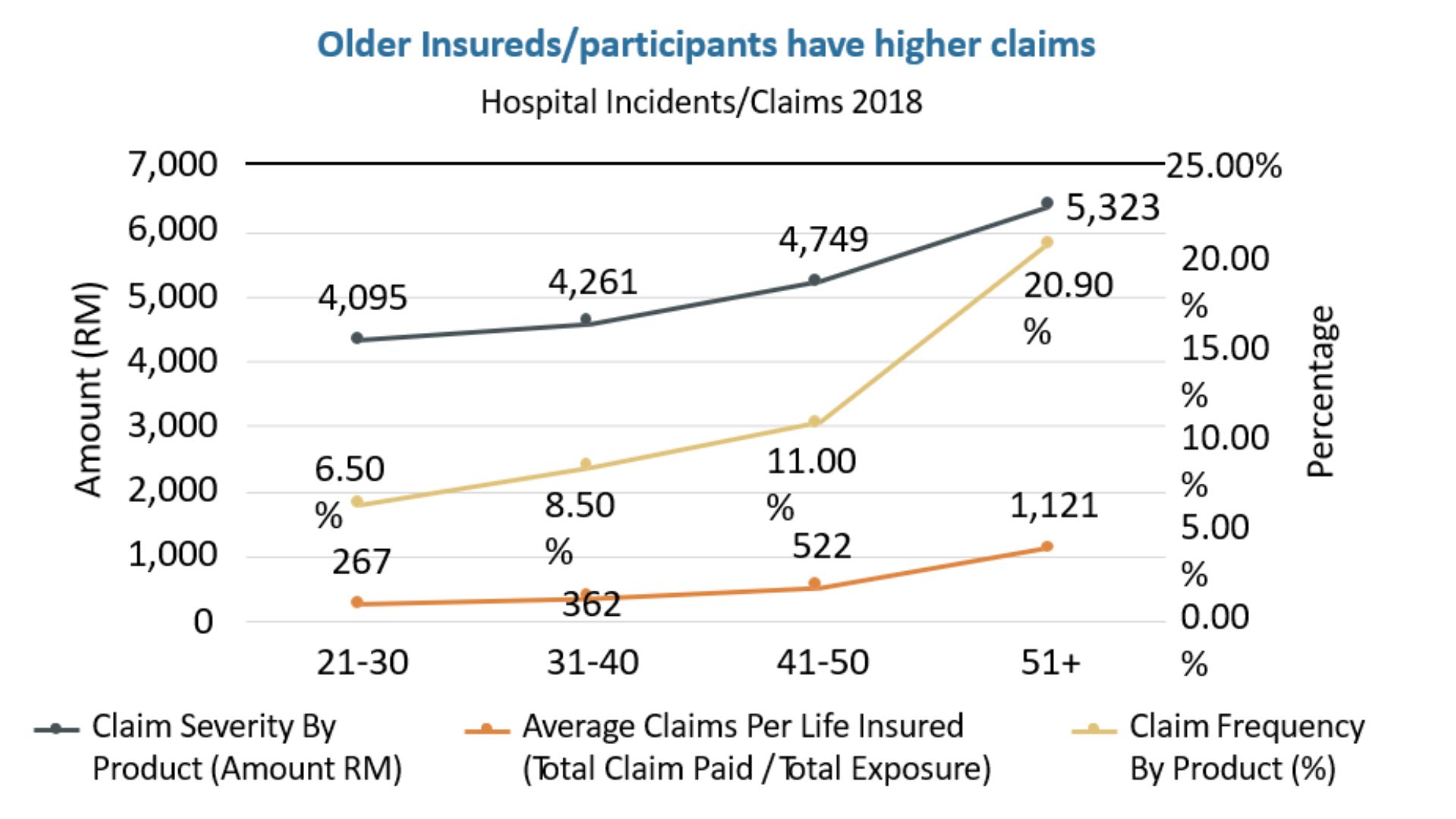
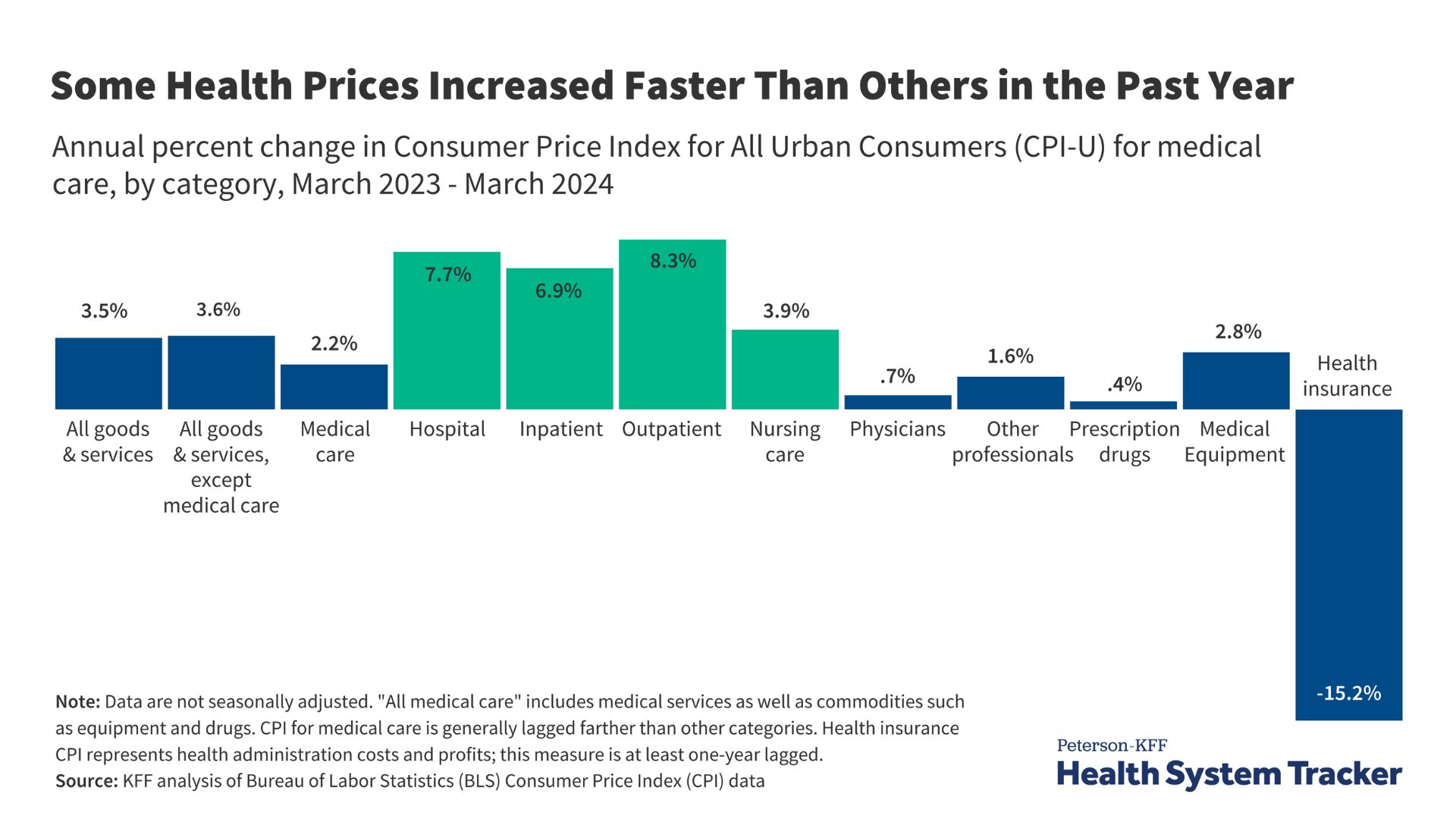
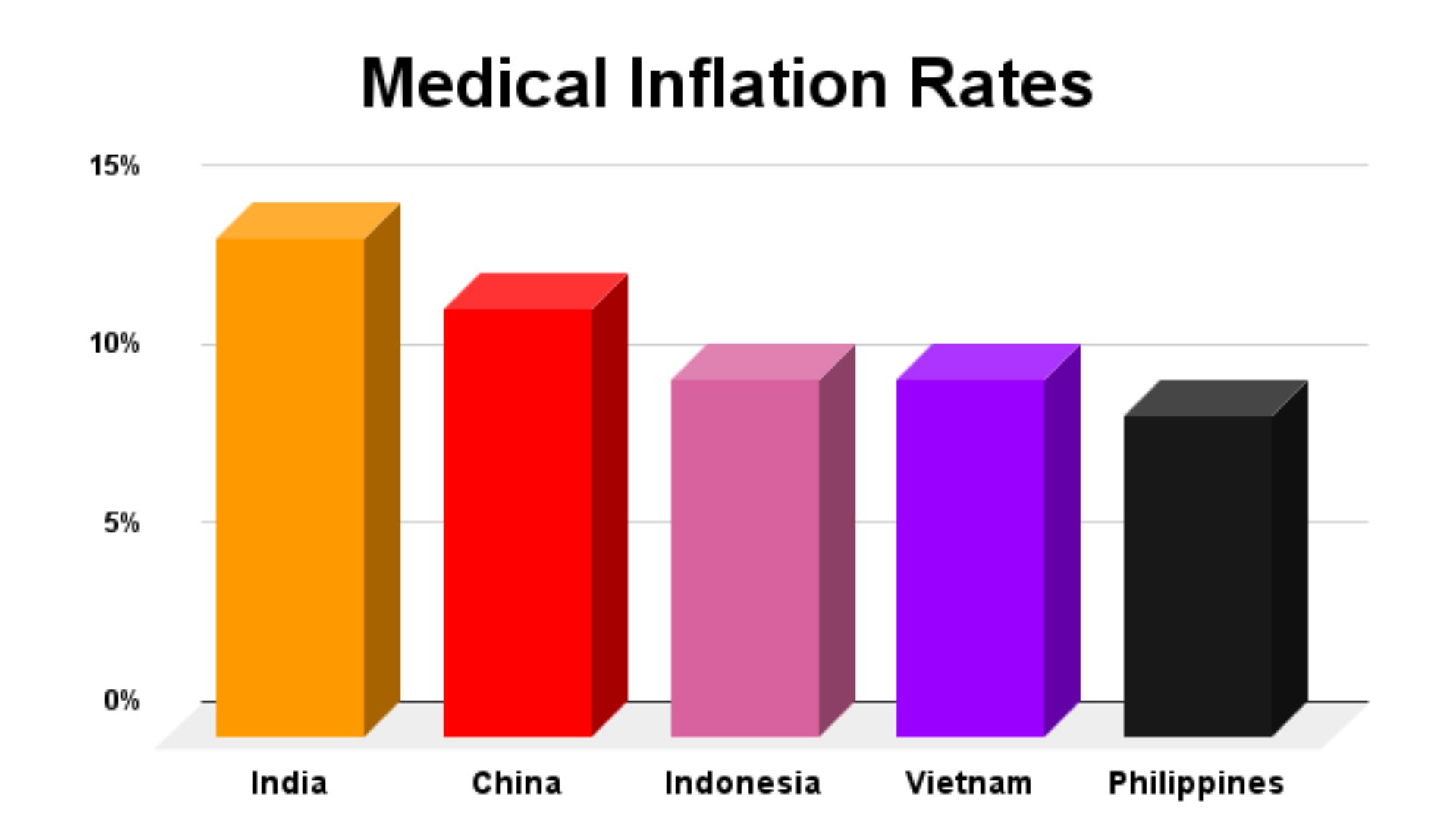
Medical expenses are an important component of claim costs in several types of insurance, including health insurance, auto liability, and workers' compensation. When the cost of medical services increases, an insurer may ultimately face higher expenses when settling claims involving injuries.
Medical costs can also move differently from broader consumer prices. The reasons are varied, and there is no single measure that captures every change in healthcare spending or medical-service prices.
Several factors can influence the cost of medical claims.
New medicines, medical devices, diagnostic technologies, and surgical techniques can change the cost of treating injuries and illnesses. Some innovations can improve outcomes or reduce the need for certain forms of care, while others can introduce expensive new treatments or equipment.
For insurers, the relevant question is not simply whether medical technology is becoming more advanced. It is how changes in treatment patterns affect the expected cost and frequency of claims covered by a particular insurance product.
Hospitals, clinics, rehabilitation facilities, and other healthcare providers depend on large numbers of medical and support workers. Labor expenses are therefore an important part of healthcare operating costs.
Staffing pressures can increase expenses for providers, although healthcare prices are influenced by many other factors as well. Provider contracts, local market conditions, utilization, treatment intensity, and the structure of the healthcare system can all play a role.
Some claims involve treatment that continues for months or even years. Severe injuries, chronic conditions, and complex rehabilitation can create substantial medical expenses over time.
For insurers covering these risks, expected future medical costs matter as much as the bills associated with claims that have already occurred. If actuarial assumptions about future treatment costs change, insurers may incorporate those expectations into future pricing and reserving decisions.
That does not mean premiums automatically rise by the same percentage as medical expenses. Insurers can respond to changing claim costs through a combination of pricing, underwriting, benefit design, reserves, reinsurance, and other measures.
Property insurers face a different form of inflation.
When a covered event damages a home, commercial building, or other insured property, the cost of restoring the property can depend heavily on current construction prices rather than what the materials or labor would have cost several years earlier.
Building materials such as lumber, steel, concrete, glass, and electrical components can experience price changes. Labor costs can change as well, particularly when qualified contractors are difficult to find or when demand for rebuilding rises sharply after a major catastrophe.
Regional differences matter, too. A construction-cost increase in one market does not necessarily occur at the same rate elsewhere.
A major storm, wildfire, or other disaster can create an unusual spike in demand for construction and repair services. Large numbers of damaged properties may need work at the same time, putting pressure on contractors, materials, equipment, and transportation.
That creates an important insurance problem: an insurer may have estimated future claim costs using one set of construction assumptions, only to find that rebuilding becomes considerably more expensive after a major event.
As a result, property insurers pay close attention to replacement-cost estimates when determining appropriate coverage and pricing.
The exact amount paid on a claim, however, depends on the policy. Coverage provisions can distinguish between replacement cost and actual cash value, and deductibles, limits, exclusions, depreciation rules, and other terms can affect the final settlement.
Modern vehicles provide another example of rising claim severity.
Cars increasingly contain cameras, radar systems, sensors, advanced driver-assistance systems, specialized lighting, and electronic components. These features can improve safety and convenience, but they can also make repairs more complicated.
A collision that appears minor from the outside may damage sensors or other components that require specialized inspection, replacement, or calibration.
Repair facilities may also need specialized equipment and trained technicians to work on newer vehicles. As repair procedures become more complex, the cost of individual claims can increase even when the number of accidents does not change significantly.
For auto insurers, that distinction matters. Claim frequency and claim severity are different concepts. Fewer accidents do not necessarily translate into lower overall claim costs if the average cost of repairing or settling each accident increases substantially.
Another source of pressure comes from liability claims and the legal environment.
The insurance industry commonly uses the term social inflation to describe increases in liability claim costs that exceed general economic inflation. The National Association of Insurance Commissioners identifies factors associated with social inflation including changing attitudes toward liability, litigation trends, larger jury awards, legal marketing, and other developments.
The concept is particularly relevant to certain liability lines, including commercial auto, professional liability, product liability, and directors and officers insurance.
Unlike the price of a building material or medical procedure, litigation trends are harder to measure. Legal outcomes can depend on the facts of an individual case, applicable law, jury decisions, settlement negotiations, defense strategies, and broader changes in the legal environment.
The term "nuclear verdict" is often used in insurance discussions for exceptionally large jury awards. NAIC describes nuclear verdicts as jury verdicts exceeding $10 million in punitive and compensatory awards and identifies them as one contributor to social inflation.
Large verdicts can matter to insurers because a relatively small number of severe claims can have a disproportionate effect on the losses of a liability portfolio.
That does not mean large awards occur in every jurisdiction or every type of liability case. Their frequency and impact vary considerably by line of insurance and legal environment.
Third-party litigation funding is another issue discussed in connection with social inflation.
Under this arrangement, outside investors may provide financing for litigation in exchange for a potential financial return. NAIC notes that litigation funding has been cited as one factor that can affect social inflation and liability claim costs.
The broader effects are still a subject of discussion among insurers, researchers, policymakers, and legal professionals. It is therefore more accurate to describe litigation funding as one potential influence on claim dynamics rather than as a single proven cause of higher insurance premiums.
The relationship between claims costs and premiums is not a simple one-to-one calculation.
Suppose an insurer expects the average cost of repairing a vehicle to rise. That information can influence its actuarial models and future rate indications, but the final premium also depends on other variables such as claim frequency, expenses, investment income, competition, reinsurance, underwriting changes, and regulatory requirements.
The same principle applies to property and liability insurance.
If rebuilding becomes more expensive, insurers may reconsider their replacement-cost assumptions. If medical treatment becomes more expensive, expected bodily-injury claim severity may change. If liability claims become larger or take longer to resolve, insurers may adjust their expectations about future losses.
These changes can create upward pressure on premiums, but the effect varies by insurance product and risk.
It is tempting to assume that a 5% increase in an insurer's claim costs should produce a 5% increase in premiums. Real-world pricing does not work that neatly.
Premiums cover more than expected claims. Insurers also have administrative expenses, acquisition costs, claims-handling expenses, reinsurance costs, taxes, and other financial considerations. Investment income can also influence the economics of insurance.
Competition matters as well. An insurer may decide to absorb part of an increase in costs rather than immediately pass the entire amount to customers, depending on its business strategy and regulatory environment.
At other times, several cost pressures may arrive together, producing more noticeable pricing changes.
Inflation does not affect every policyholder equally.
A homeowner in an area with rapidly rising construction costs may face different pricing pressure from a homeowner in a market where rebuilding costs have changed more slowly. A commercial auto account with significant liability exposure may be affected by litigation trends differently from a low-risk personal auto policy.
Insurers also use different models and have different books of business. Their exposure to particular types of claims can therefore vary considerably.
This is why a broad statement such as "insurance premiums rose because of inflation" often leaves out important details. The relevant question is which costs increased, how much those costs affect the insurer's particular book of business, and how the company incorporates those changes into its pricing and risk-management decisions.
Insurance premiums are influenced by the cost of the risks insurers expect to cover.
Medical expenses can affect bodily-injury claims. Construction and repair costs can increase property and auto claim severity. Litigation trends can influence liability losses, particularly when large awards or changing legal conditions alter the expected cost of resolving claims.
None of these factors operates in isolation. Insurance pricing also reflects underwriting assumptions, expenses, reinsurance, investment conditions, competition, and regulation.
Understanding that distinction provides a clearer explanation for premium changes. Rising medical, repair, construction, or litigation costs can put pressure on insurance pricing, but the final premium is the result of a much broader calculation rather than a simple pass-through of inflation.