
Most people think of insurance as a single safety net: a homeowners policy protects a house, an auto policy protects a vehicle, and a business liability policy protects a company from certain claims. That approach works for many everyday losses, but serious liability events can quickly challenge the limits of a single policy.
A major accident involving severe injuries, significant property damage, or a complex lawsuit can create legal expenses and damages reaching hundreds of thousands or even millions of dollars, depending on the circumstances. When a claim becomes larger than expected, the question is no longer just whether someone has insurance. The more important question is whether their insurance policies are structured to respond in the right order.
This is the purpose of layered insurance architecture. Instead of relying on one policy to handle every possible liability risk, multiple layers of coverage work together. Primary insurance provides the first response, while excess and umbrella policies add additional protection when losses exceed ordinary limits.
Understanding how these layers interact can help individuals and businesses recognize potential coverage gaps and make more informed decisions about their insurance structure.
Insurance policies are designed with limits. A primary policy may provide substantial protection, but insurers generally set maximum amounts they will pay for covered claims. Once those limits are reached, the policy no longer provides additional payment, even if the total loss continues to grow.
For example, imagine a driver causes an accident that results in severe injuries to another person. The driver’s auto liability insurance may cover medical expenses, legal costs, settlements, or judgments up to the policy limit. However, if the total covered damages exceed that amount, the remaining liability may become a personal financial concern unless additional coverage exists.
A similar issue can occur in business settings. A contractor, property owner, manufacturer, or professional firm may face a liability claim that exceeds the limits of its general liability or professional liability policy. A single major lawsuit can involve not only damages but also significant legal defense costs, depending on the circumstances and policy terms.
This is why some individuals and organizations build insurance programs with multiple layers. The goal is not to purchase overlapping policies unnecessarily. Instead, each layer is intended to serve a specific purpose within a larger risk-management strategy.
The first layer is usually primary insurance. This is the coverage that responds immediately when a covered claim occurs. Additional layers are designed to provide protection after certain thresholds are reached.
The easiest way to understand layered insurance is to imagine a claim moving through different levels of protection.
Primary insurance responds first. It is the foundation of the structure and defines the initial coverage available. Common examples include auto liability coverage, homeowners liability insurance, commercial general liability insurance, and professional liability policies.
If the claim exceeds the primary policy limit, another layer may become available through excess or umbrella insurance.
Excess insurance generally provides additional limits above a specific underlying policy. For example, a business may have a commercial general liability policy with a $1 million limit and purchase excess liability coverage that provides additional protection above that amount. If a covered claim reaches the end of the primary policy limit, the excess policy may respond according to its terms.
One important concept in excess insurance is the attachment point. This refers to the point at which the excess policy begins providing coverage. In many cases, the attachment point is reached only after the underlying insurance has paid its full limit. For policyholders, understanding this point is important because it determines when the additional layer actually becomes available.
Some excess policies use a “follow-form” structure, meaning they generally follow the terms of the underlying policy. However, excess policies can still contain their own conditions, exclusions, and requirements. The exact wording of the contract determines how coverage applies.

Umbrella insurance serves a related but sometimes broader role. Personal umbrella policies are commonly used to provide additional liability limits above underlying policies such as auto and homeowners insurance. For example, a household with significant assets may use an umbrella policy to add another layer of protection if a serious liability claim exceeds the limits of its underlying policies.
However, umbrella insurance should not be viewed as unlimited protection. Depending on the policy wording, umbrella coverage may exclude certain situations, including intentional acts, certain business liabilities, or specific contractual obligations. Coverage details vary among insurers, so reviewing the actual policy language is essential.
The difference between excess and umbrella coverage often depends on the type of risk being managed. Businesses frequently use excess policies to increase limits for specific commercial exposures, while individuals often purchase umbrella policies as broader personal liability protection. In both cases, the purpose is to create additional financial protection beyond the first insurance layer.
A layered insurance structure can provide valuable protection, but it does not eliminate every risk. Many problems occur because policyholders misunderstand how the layers interact.
One common misconception is that an umbrella policy covers every type of liability. In reality, umbrella policies contain exclusions and conditions like other insurance contracts. A policy may provide broad additional protection, but it will still be limited by the terms agreed upon with the insurer.
Another misunderstanding is assuming that having several million dollars in combined limits automatically means a person or business is fully protected. The total amount of coverage is only one part of the analysis. The more important questions are whether the policies cover the same types of risks, whether the underlying requirements are satisfied, and whether exclusions create unexpected gaps.
For example, a person may purchase an umbrella policy but fail to maintain the required liability limits on an underlying auto or homeowners policy. In that situation, the umbrella insurer may not respond as expected because the foundation of the insurance structure does not meet the policy requirements.
Businesses face similar issues. A company may purchase excess coverage because a contract requires higher liability limits, but the additional policy must still align with the company’s actual operations and underlying coverage. Differences in exclusions, definitions, and coverage conditions can affect whether a claim is covered.
Consider a hypothetical construction company that performs commercial building projects. The company may carry a general liability policy as its primary layer to handle ordinary third-party injury or property damage claims. However, a large accident at a job site could result in damages that exceed the primary policy limit, especially if multiple parties are involved or a dispute leads to extended litigation.
To address this exposure, the company may purchase excess liability coverage above the general liability policy. The excess layer does not replace the primary insurance; instead, it provides additional limits once the underlying coverage has been exhausted. If the company also works under contracts that require higher liability protection, maintaining properly coordinated insurance layers may become an important part of meeting those obligations.
Another important consideration is that insurance needs change over time. A business that grows, takes on larger projects, enters new markets, or signs different types of contracts may need to review whether its existing insurance structure still matches its actual exposure.
The National Association of Insurance Commissioners (NAIC) and state insurance regulators emphasize that insurance contracts vary by insurer and jurisdiction. The specific policy wording, rather than general descriptions of coverage, determines how a claim will be handled.
A layered insurance program should reflect the risks a person or organization actually faces. There is no universal amount of coverage that works for everyone because liability exposure depends on assets, activities, business operations, and other circumstances.
For individuals, a review may be useful after major financial or lifestyle changes. Examples include purchasing valuable property, owning rental real estate, adding teenage drivers, or increasing activities that create additional personal liability exposure.
For businesses, insurance reviews may involve evaluating contracts, operational risks, customer interactions, employee responsibilities, and industry requirements. A construction company, property management business, medical practice, or professional services firm may face very different liability concerns from another type of organization.
When reviewing layered insurance, several questions are worth considering:
Do the primary policies provide appropriate limits for current risks?
Do excess or umbrella policies attach at the expected point?
Are there exclusions that remove important areas of protection?
Do all policies work together without creating gaps?
Have recent changes in assets, operations, or responsibilities affected coverage needs?
A qualified insurance professional can help explain how different policies interact, but policyholders should also understand the basic structure of their own coverage. Knowing which policy responds first and when additional layers become available can make insurance decisions clearer.
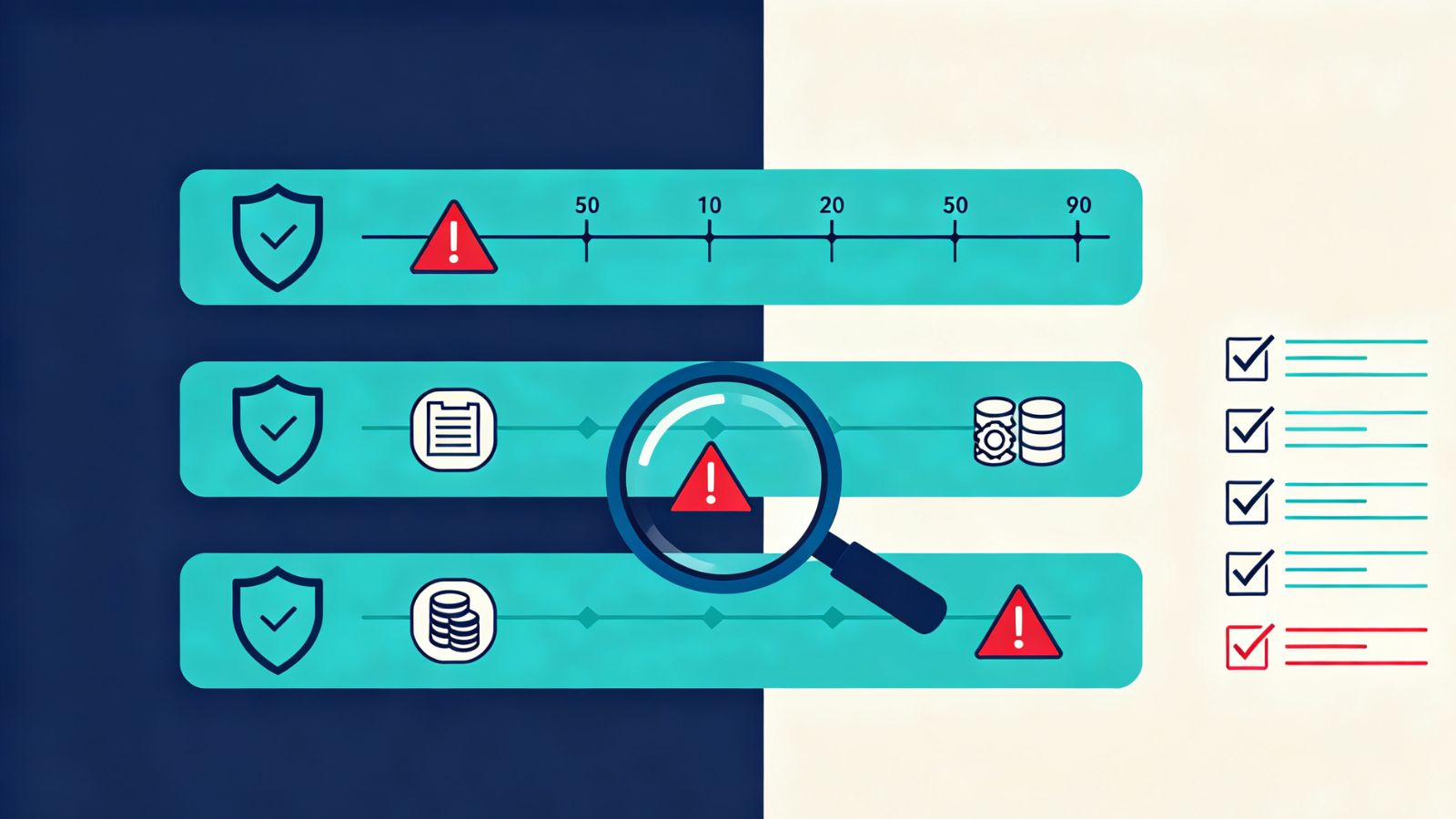
Layered insurance is not simply about adding more coverage limits. The purpose of building multiple insurance layers is to create a coordinated response when a loss becomes larger than a primary policy can handle.
For an individual, that may mean making sure personal assets are not exposed to an unusually large liability claim. For a business, it may mean ensuring that contracts, operations, and potential risks are supported by an insurance structure that works as intended.
The most effective insurance programs are not necessarily the ones with the highest limits. They are the ones where each policy has a clear role, the coverage requirements align, and the policyholder understands how protection works before a serious claim occurs.
This article provides general insurance information and does not replace advice from a licensed insurance professional. Insurance policies vary by insurer, state, and individual circumstances, so readers should review their specific coverage documents when evaluating their own insurance needs.