
An insurance premium can look like a single number on a bill, but getting to that number is anything but simple. Insurers have to estimate future claims, account for the cost of running the business, consider uncertainty, and determine whether the resulting rate provides an appropriate return for the capital supporting the business. Actuaries and underwriters work with historical claims data, statistical models, financial assumptions, and regulatory requirements to bring those pieces together.
At a basic level, insurance pricing can be understood through three broad components: expected loss costs, operating expenses, and the return or risk allowance needed to support the business. The actual formulas vary by product and jurisdiction, and sophisticated pricing models can contain many additional variables. Still, these building blocks provide a useful way to understand what sits behind an insurance rate.
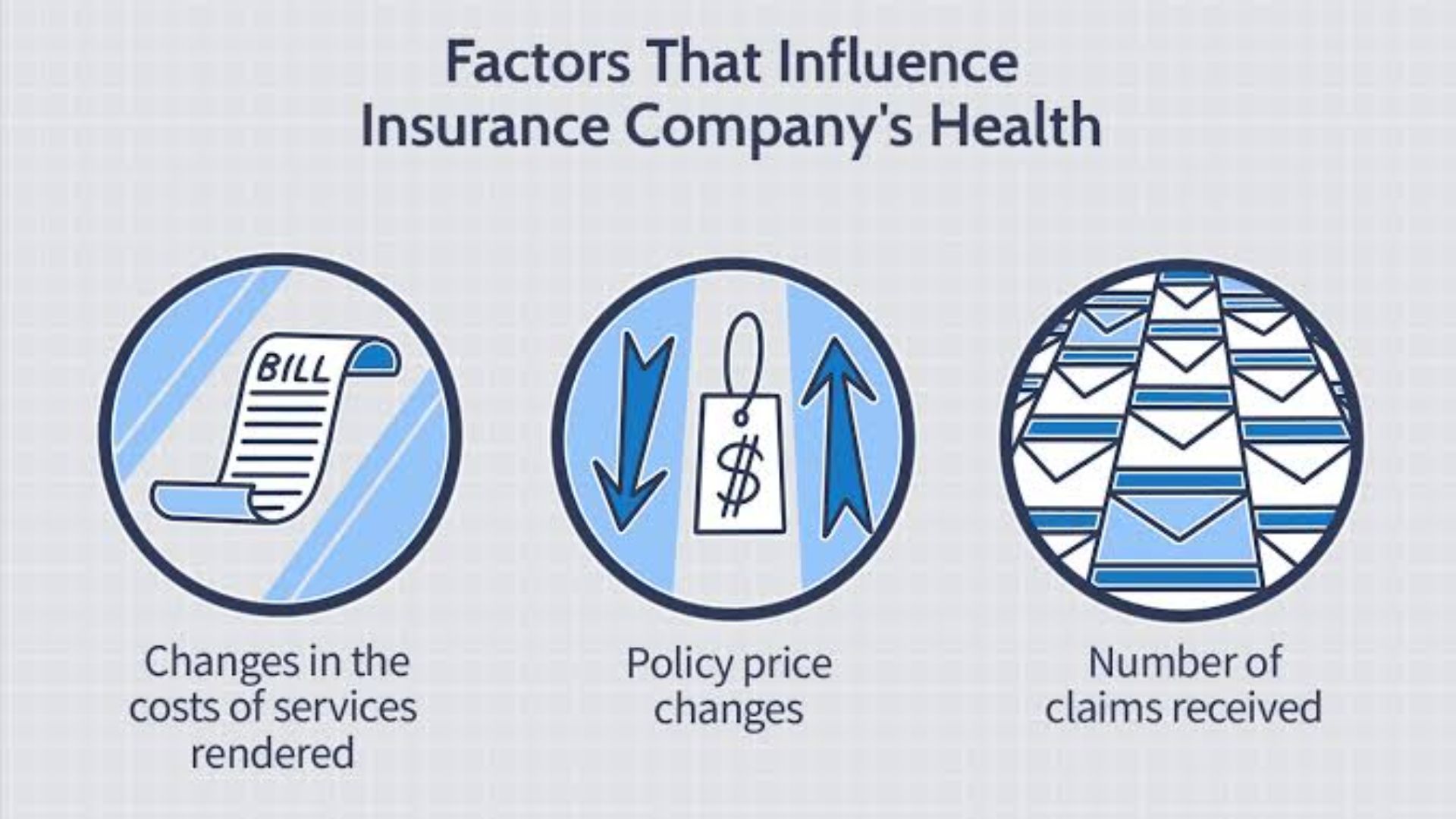
The starting point for many insurance pricing models is an estimate of expected claims. This is where loss costs come into the picture. Rather than representing an exact amount an insurer will eventually pay, a loss cost is an estimate of the expected cost of covered losses for a defined group of risks.
Actuaries commonly study two basic dimensions of claims: frequency and severity. Frequency describes how often claims occur, while severity describes how costly those claims tend to be. In a simple expected-loss framework, the two are combined to estimate the average loss associated with an exposure.
Consider automobile insurance. An actuary might examine claim experience across a defined group of vehicles, drivers, territories, coverage limits, and other policy characteristics. The analysis can then consider both how frequently claims occur and how much those claims cost. A similar framework can be applied to property insurance, although the relevant risk factors may include the characteristics of the property, location, construction, coverage, and exposure to weather-related events.
Historical claims data provide the evidence, but they are rarely used without adjustment. Conditions change. Claim estimates can develop over time, and the cost of future claims may differ from the cost of claims observed in earlier periods.
Two important actuarial adjustments are loss development and trend.
Loss development deals with claims whose ultimate costs are not yet known. A claim may have been reported but remain open, or additional information may emerge after the initial estimate. Actuaries therefore use historical development patterns and other information to estimate what claims may ultimately cost rather than assuming the amount currently recorded is final.
Trend factors address changes expected between the period represented by the historical data and the period for which the rate will apply. Inflation, medical costs, repair costs, changes in litigation, vehicle technology, and other economic or social factors can influence future claim severity.
After these adjustments, the expected loss estimate becomes an important foundation for the rest of the pricing process. It is not the final premium. Expenses, risk, capital requirements, and other considerations still have to be accounted for.

An insurer has costs that have nothing to do with the size of an individual claim. Policies have to be issued and serviced, claims need to be investigated and settled, employees and technology systems have to be supported, and regulatory requirements have to be met.
These costs can be incorporated into pricing through various forms of expense loads.
Several categories commonly matter:
Acquisition costs: These may include commissions paid to agents or brokers, along with certain marketing and distribution expenses.
General operating expenses: Technology, employee compensation, office operations, data systems, and other corporate costs contribute to the expense structure.
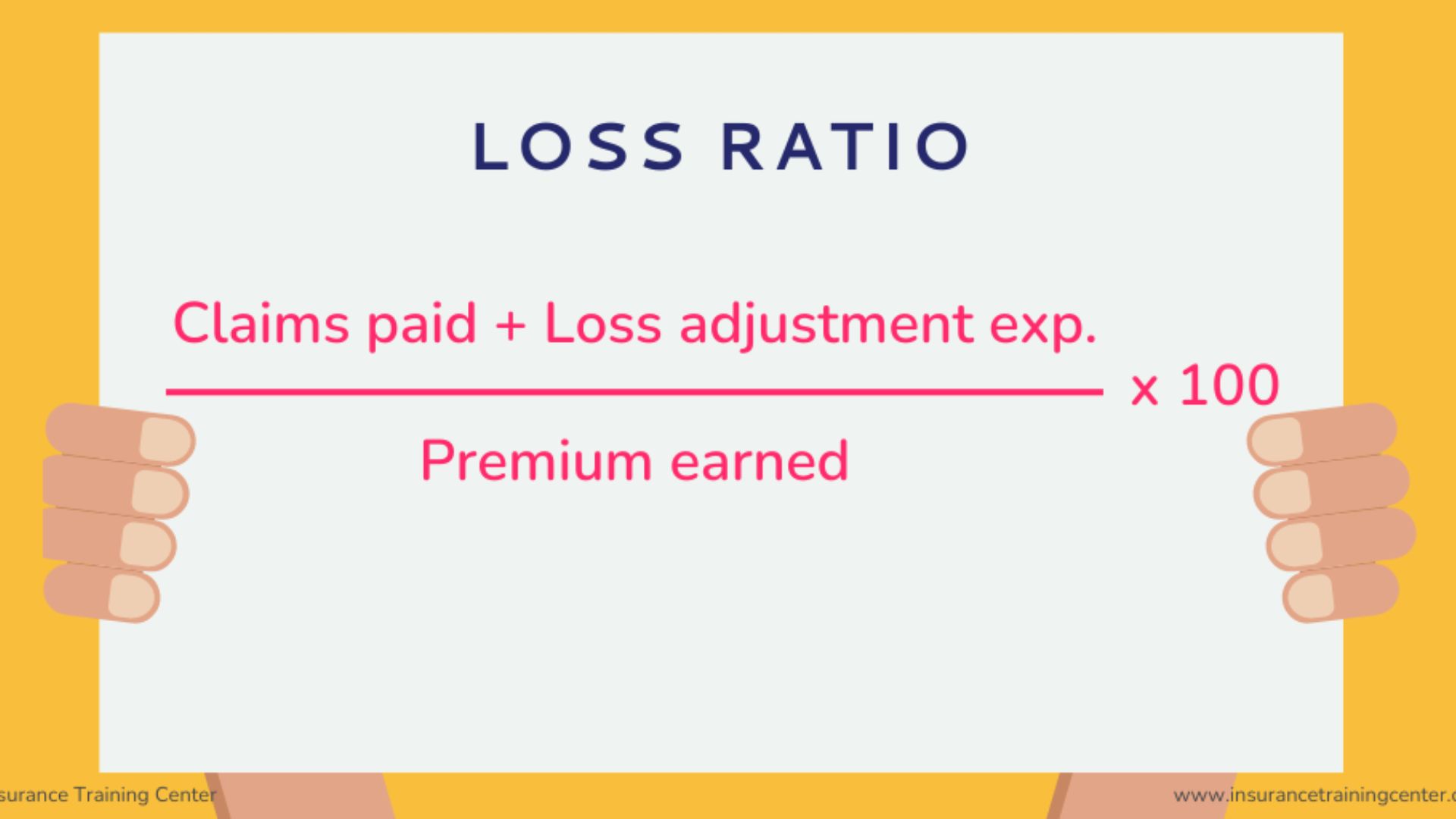
Loss adjustment expenses: Claims generate costs beyond the payment itself. Investigation, adjustment, legal services, and other claims-handling activities can all contribute to these expenses.
Taxes and regulatory expenses: Insurance companies may be subject to premium taxes, assessments, licensing costs, and other regulatory charges depending on the jurisdiction and product.
Not every expense behaves in the same way. Some costs can be influenced by an insurer's operating efficiency and business structure, while others are shaped by wages, technology markets, regulation, or broader economic conditions.
This is one reason why two insurers covering broadly similar risks can still have different expense structures. Pricing is not determined solely by the expected claims. The cost of delivering and administering the insurance product matters too.
Even a well-designed actuarial model can be wrong. That is not necessarily a modeling failure; it is a consequence of dealing with an uncertain future.
A portfolio may experience more claims than expected. A major storm may produce losses well above historical averages. Medical costs may rise faster than projected. Litigation trends may change. Any of these developments can push actual results away from the assumptions used when a rate was established.
Pricing models can therefore include an allowance for risk and uncertainty. The exact approach differs by insurer, product, and regulatory environment, but the underlying idea is straightforward: an insurer needs to account for the possibility that actual experience will not match the expected outcome.
This risk consideration is different from the insurer's ordinary operating expenses. Expenses represent the cost of running the business, while the risk component reflects uncertainty surrounding the future results of the insurance portfolio.
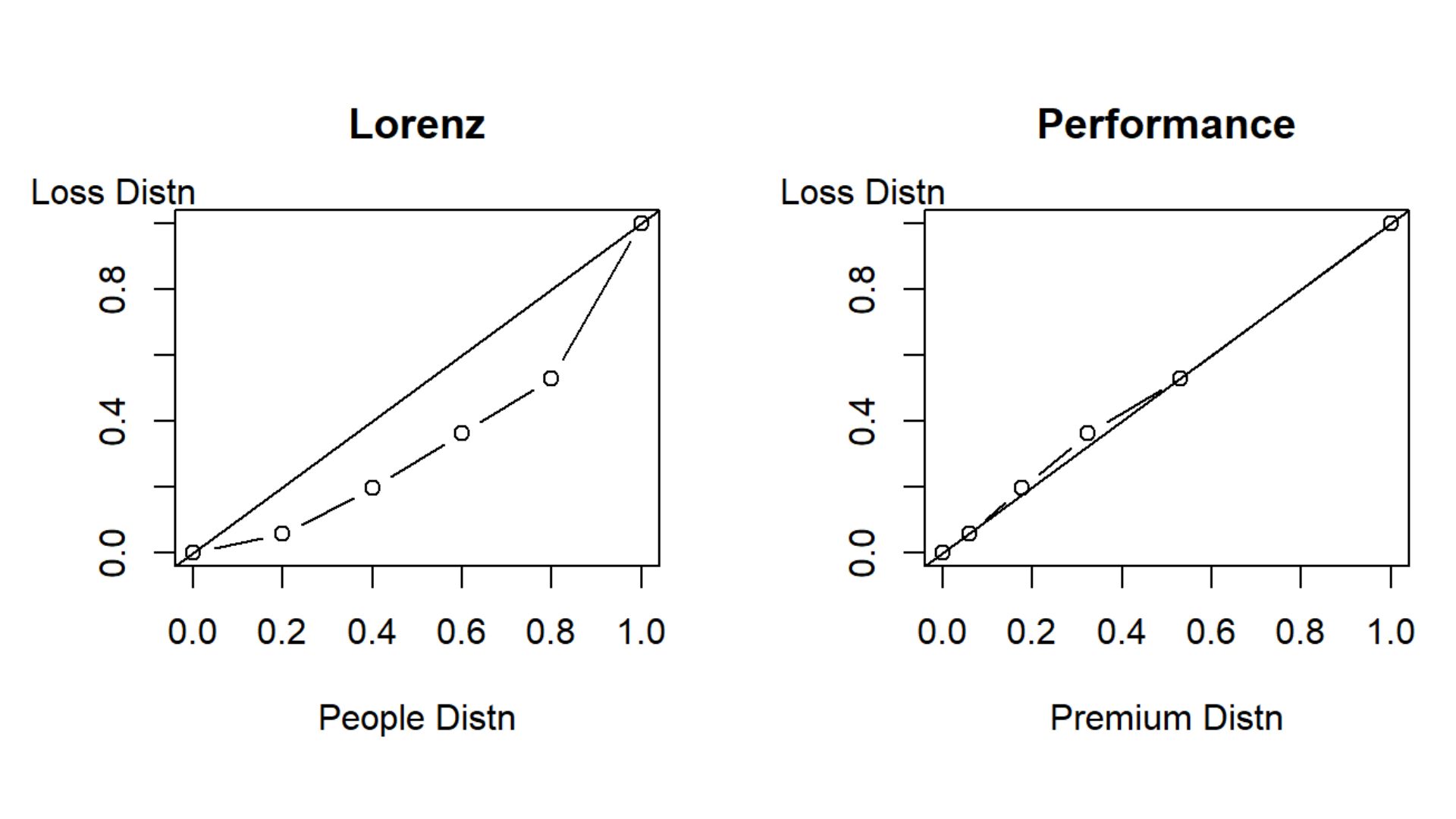
Insurance companies also need to consider the return generated by the capital supporting their operations. That does not mean every policy is priced to produce a predetermined profit on its own. Instead, insurers typically evaluate expected performance across a portfolio and over time.
In property and casualty insurance, one of the most familiar measures of underwriting performance is the combined ratio. It generally compares incurred losses and related expenses with earned premium.
A combined ratio below 100% indicates an underwriting profit under the conventional measure. A ratio above 100% indicates an underwriting loss. For example, a 96% combined ratio means that losses and expenses represent 96% of earned premium, leaving an underwriting margin of 4% before other financial considerations.
The combined ratio should not, however, be confused with an insurer's total profitability. It focuses on underwriting performance and does not by itself capture every source of income or expense.
Insurance has an unusual financial characteristic: premiums are generally collected before many claims are paid. The insurer therefore holds funds for periods that can range from relatively short periods to many years, depending on the type of coverage and the nature of the claims.
Those funds can generate investment income. Insurers invest according to their investment strategies, regulatory requirements, liquidity needs, and the expected timing of claim payments.
Investment income can have a meaningful effect on an insurer's overall financial results. But it does not eliminate the importance of sound underwriting. A portfolio with inadequate pricing can still create serious problems if actual claims consistently exceed expectations.
This interaction between underwriting results, investment income, market conditions, and competition is one reason insurance markets move through periods commonly described as the underwriting cycle. Pricing conditions can change as insurers respond to claims experience, available capital, reinsurance costs, investment conditions, and competitive pressures.
The relationship is more nuanced than simply saying that insurers deliberately accept underwriting losses because they can earn money on investments. Investment income is one part of the broader financial picture, while underwriting discipline remains important to the long-term health of an insurance portfolio.
An insurance rate is ultimately the result of several layers of analysis rather than one universal formula.
The process begins with expected claims. Actuaries examine historical loss experience and adjust it for claim development, changing conditions, and other relevant factors. The insurer then has to account for the costs of acquiring and servicing policies, administering claims, complying with regulations, and operating the business.
Risk and capital considerations add another layer. Actual losses can deviate substantially from expected losses, particularly when an insurer is exposed to catastrophic or highly uncertain events. Reinsurance can also affect the amount of risk retained by the insurer and therefore influence the economics of a portfolio.
Finally, the insurer considers the return required for the capital supporting the business. Investment income can contribute to overall financial performance, but underwriting results remain an important measure of whether premiums are adequate relative to the risks being assumed.
The amount shown on an insurance bill may look like a single figure, but it represents the end result of a chain of assumptions and calculations. Expected losses form the foundation. Expenses account for the cost of providing the coverage. Risk considerations recognize that actual results will not always follow the model. Capital and return requirements complete the financial picture.
The important point is that actuarial pricing does not attempt to predict every individual claim. It works with groups of risks and estimates how those groups may perform under a range of possible conditions.
That makes insurance pricing less about finding one “correct” number and more about building a rate that remains financially workable under uncertainty. Historical experience provides the starting point, actuarial models turn that experience into forward-looking estimates, and financial analysis determines how those estimates fit into the broader economics of the insurance business.