
A company can carry insurance for years without closely examining how the policy was designed. Premiums are paid, certificates of insurance are issued, and coverage becomes part of normal business operations. The real test often comes later, when a loss occurs and the business discovers that the protection it expected does not fully respond to the situation.
Consider a construction company that purchased general liability insurance when it mainly handled smaller residential projects. Over time, the company grows, begins accepting commercial contracts, hires additional workers, works with more subcontractors, and takes on projects with stricter insurance requirements. The policy remains active, but the risk behind the policy has changed.
An underwriter would immediately recognize this as a question of alignment.
Does the insurance contract still describe the company’s current exposure? Are the coverage terms designed for the activities now being performed? Have new risks appeared that were not part of the original underwriting decision?
Reading an insurance policy like an underwriter means looking beyond the simple question of whether coverage exists. It means understanding why certain risks are accepted, why certain limitations are included, and how the contract responds when real-world circumstances change.
Insurance is fundamentally a method of transferring risk. An insurer agrees to take on certain potential losses in exchange for a premium, but that agreement is based on a specific understanding of the insured’s exposure.
The risk described during the application process becomes the foundation for the policy. If the actual risk changes significantly, the original contract may no longer reflect the situation it was created to address.
This is why underwriters focus on exposure rather than only policy wording. Exposure refers to the possibility of loss created by a person’s activities, property, responsibilities, or operations.
A restaurant, a software company, and a construction contractor may all purchase commercial insurance, but the risks behind those policies are very different. A restaurant may be primarily concerned with customer injuries, property damage, and equipment risks. A software company may face questions involving professional services, technology operations, or contractual responsibilities. A construction company may deal with job-site accidents, completed work claims, subcontractor relationships, and project obligations. Because these exposures are different, the insurance policy must be designed to reflect the actual activities, responsibilities, and potential losses associated with each business.
A useful way to understand the underwriting process is:
Business activity changes → Risk exposure changes → Existing coverage may no longer fully match → Policy review becomes necessary
This does not mean every change creates a coverage problem. It means significant changes should be evaluated because insurance contracts are written based on specific assumptions.
For example, a retail company that begins manufacturing its own products takes on different risks from a company that only sells products made by others. A consulting firm that expands into technical services may create professional liability concerns that were not part of its original operations.
Underwriting decisions are also influenced by factors beyond the description of the business itself. Depending on the type of insurance, an insurer may consider previous loss history, safety controls, operational changes, claims patterns, and other information that helps evaluate the likelihood and severity of future losses.
The question an underwriter asks is not simply, “Does this company have insurance?” The more important question is, “Does the insurance accurately represent what this company actually does?”
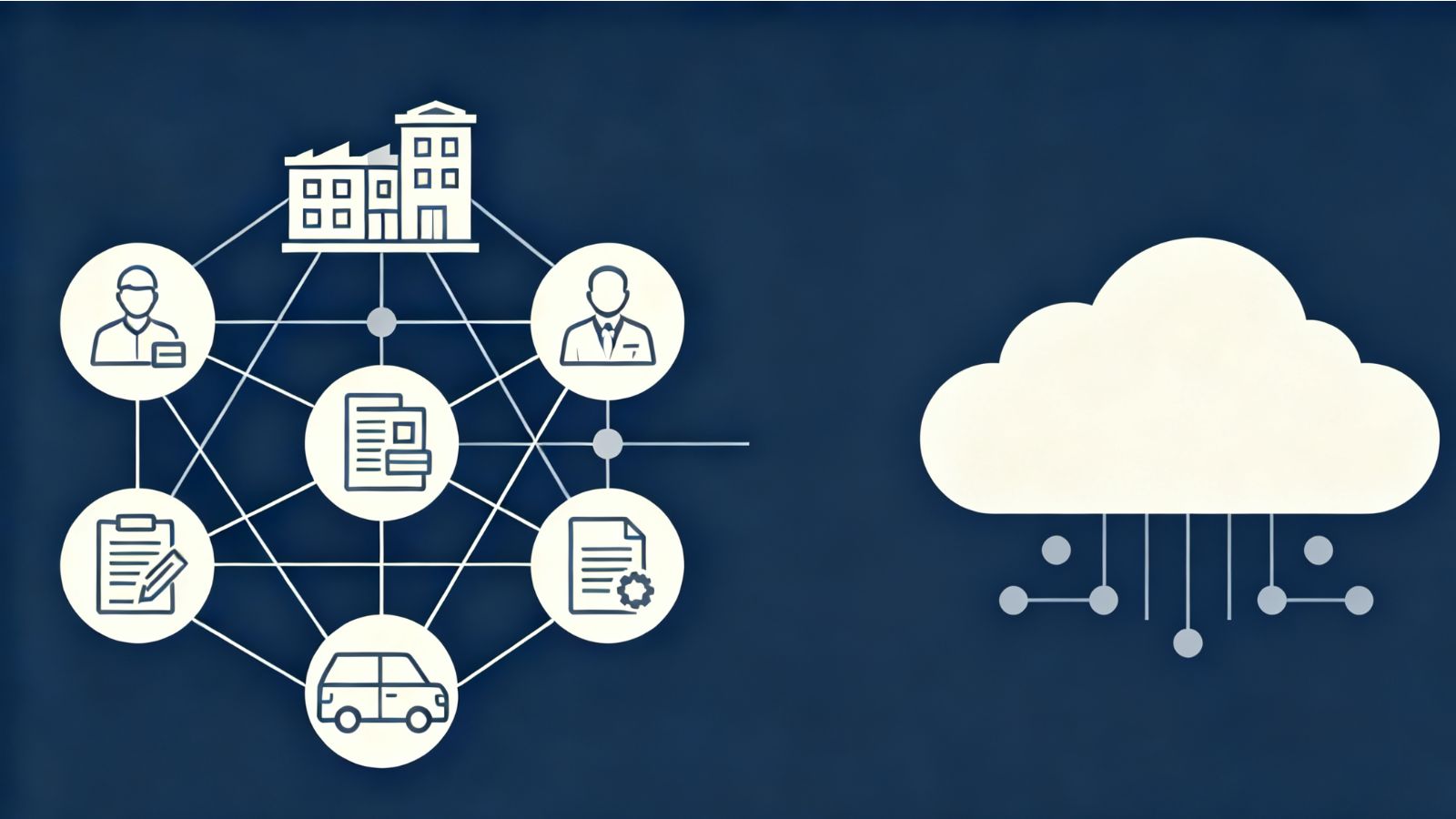
Many policyholders approach an insurance contract by looking for words related to a possible claim. They may search for whether a specific loss appears to be covered, but an underwriter reads the document in a different way.
The analysis usually begins with understanding the overall structure of the agreement and how each section affects the others.
The declarations page provides the basic framework. It identifies the insured party, policy period, coverage limits, and forms included in the contract. However, the declarations page alone does not explain the full scope of protection.
An underwriter then considers how the rest of the policy operates:
Declarations → Coverage agreement → Definitions → Exclusions → Conditions → Endorsements
Each part answers a different question.
The coverage agreement explains the insurer’s general promise. Definitions determine what important terms mean within the contract. Exclusions identify situations that fall outside the intended protection. Conditions establish responsibilities that must be followed. Endorsements modify the original policy language and may expand, restrict, or change coverage.
This structure matters because insurance contracts are interconnected. A coverage statement cannot always be understood separately from the definitions and exclusions that follow it.
For example, a business owner may see that a liability policy covers property damage and assume a broad level of protection exists. However, the definition of property damage, the circumstances of the loss, and any applicable exclusions may determine whether the claim actually falls within coverage.
Underwriters pay attention to this relationship because insurance is not only about what is written in the contract. It is about how the entire agreement functions when applied to a specific risk.
The most important parts of an insurance policy are not always the sections that receive the most attention. Many coverage questions are ultimately determined by definitions, exclusions, conditions, and endorsements.
Definitions are especially significant because insurance language often has a technical meaning. A term that appears straightforward in everyday conversation may have a narrower or broader meaning inside the policy.
Words such as “occurrence,” “employee,” “business operations,” and “property damage” can influence whether a claim falls within the scope of coverage. Underwriters review these terms because they help determine how the policy will respond to future events.
Exclusions require the same level of attention. An exclusion does not mean an insurance policy provides little value. Instead, it identifies risks that the insurer did not intend to include within that specific agreement.
A common misunderstanding occurs when policyholders assume that a general insurance policy covers every problem connected to their business. In reality, different insurance products are designed for different exposures.
A coverage gap can appear when a company’s operations expand beyond what the original policy was designed to protect.
For example, imagine a small construction company that originally performed interior remodeling work. Its general liability policy was written based on that type of operation. Several years later, the company begins taking on structural renovation projects and signs contracts requiring broader insurance protection, including additional insured status for project owners.
The company may still have an active liability policy, but the nature of its work has changed. New questions arise: Does the policy description accurately reflect the current operations? Are the new project requirements addressed? Are endorsements needed to satisfy contractual obligations? Are there exclusions that affect the expanded activities?
The issue is not necessarily that the original policy was inadequate; it may have been appropriate when first issued, but the business exposure evolved while the insurance arrangement remained unchanged.
Endorsements can also change the practical meaning of a policy. They may add coverage for a specific situation, modify an exclusion, or create additional requirements. Because endorsements become part of the contract, they must be reviewed together with the original policy wording.
This is why experienced insurance professionals avoid reading policies as isolated sections. The meaning of one provision often depends on what appears elsewhere in the contract.
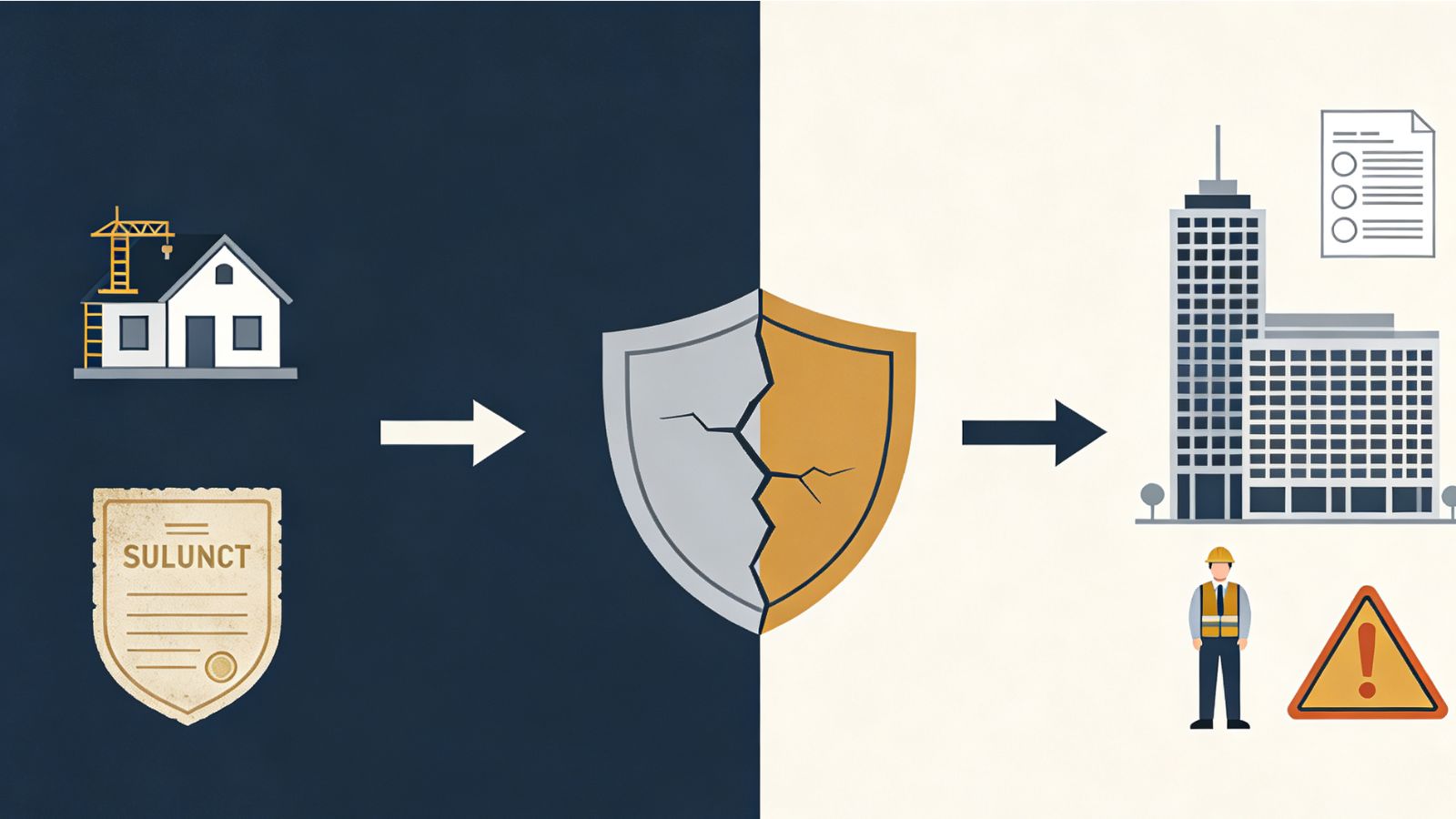
The best time to discover a coverage issue is before a loss occurs. Once a claim has been filed, the focus naturally shifts toward interpreting existing policy language rather than adjusting coverage for future needs.
Businesses often experience major risk changes during periods of growth. A company may expand into new services, open additional locations, sign larger contracts, or purchase new equipment. Each change can affect the type of protection needed.
A company’s risk profile can change faster than its insurance program. A policy that accurately reflected the business several years earlier may not address new activities or responsibilities.
A construction company moving from small residential projects into commercial development provides a useful example. The company may now face higher contract requirements, larger potential losses, and new obligations involving owners or subcontractors.
An underwriter reviewing this situation would consider whether the insurance program has evolved with the business.
The review process may involve questions such as whether the description of the business operations is still accurate, whether coverage limits reflect the current scale of potential losses, whether contractual requirements are addressed, and whether additional endorsements are needed for activities that were not previously performed.
Individuals can apply the same thinking to personal insurance. Purchasing valuable property, starting a home-based business, or taking on new responsibilities may change the risks that need protection.
A policy should not be viewed as a document that remains unchanged forever because it is a contract designed around a particular set of circumstances, and those circumstances can evolve over time.
The underwriter’s perspective encourages a different way of thinking about insurance. Instead of asking only whether a policy exists, it asks whether the policy still fits the reality it is supposed to protect.
Insurance policies work best when the contract and the underlying risk remain aligned. The details that determine coverage are often found in the relationship between the insured’s activities and the language used throughout the policy.
Reading a policy like an underwriter does not require predicting every possible claim outcome. It requires understanding how risks are described, how coverage is structured, and where limitations may affect the final result.
The most valuable insurance review is usually the one completed before a problem occurs. A careful examination of policy language, business changes, and risk exposure can help identify potential gaps before they become disputes.
Insurance policies vary by insurer, coverage type, and state law. This article provides general information about analyzing insurance contracts and does not replace advice from a licensed insurance professional, broker, or attorney who can review a specific policy and situation.