
For years, auto insurers have relied on a combination of information about drivers, vehicles, locations, and past claims to estimate risk. Those factors can be useful, but they do not capture every detail of how a particular person actually drives.
A driver may have the same age and vehicle as another policyholder while spending very different amounts of time on the road or exhibiting very different driving habits. That gap is one reason insurers have developed Usage-Based Insurance (UBI) programs.
UBI uses telematics technology to collect information about driving activity and, depending on the program, incorporate that information into insurance pricing. Instead of relying only on characteristics known when a policy begins, insurers can use additional data about mileage or driving behavior to refine their assessment of risk.
The approach is becoming an increasingly important part of the auto insurance market, although the specific technology, data collected, and effect on premiums vary from one program to another.
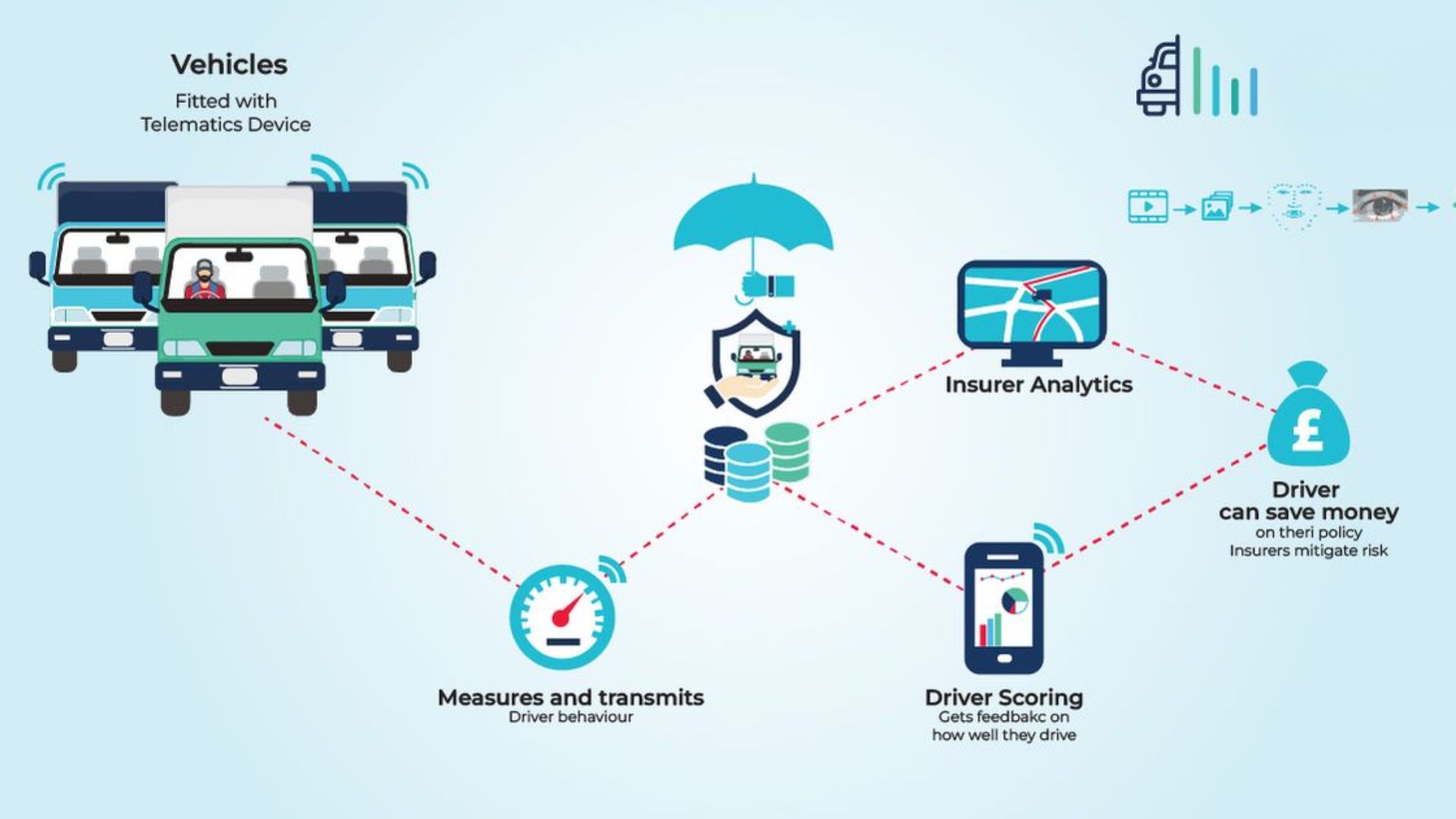
Telematics combines telecommunications and information technology to collect and transmit information about a vehicle or its use.
In auto insurance, telematics can operate through an installed vehicle device, technology built into a connected vehicle, or a smartphone application. The National Association of Insurance Commissioners notes that UBI programs can track factors such as mileage, time of day, GPS-related information, rapid acceleration, hard braking, and hard cornering.
The exact information collected depends on the program.
Some systems are primarily concerned with how much a vehicle is driven. Others place greater emphasis on driving behavior. Some combine both.
That distinction matters because "usage-based insurance" is a broad category rather than a single standardized product.
A telematics program may collect several types of driving information.
Mileage is one of the simplest measurements. A vehicle that is driven less generally has less exposure to road-related accidents than one that is driven constantly, although mileage alone does not determine whether a driver is high or low risk.
Programs that emphasize mileage can therefore be particularly relevant to people who drive relatively few miles.
Some telematics systems record when driving takes place.
This can help insurers distinguish between different patterns of road exposure. For example, a program may evaluate nighttime driving differently from daytime driving. The precise way that information affects pricing depends on the insurer's model and applicable regulations.
Telematics can also identify rapid acceleration or hard braking.
These measurements are not perfect measures of driving skill. A driver may brake suddenly because another vehicle pulls into the lane, traffic stops unexpectedly, or an animal enters the roadway.
For that reason, the interpretation of telematics data matters just as much as the data itself.
Some programs measure sharp cornering or other vehicle movements. These measurements can provide additional information about driving patterns, particularly when combined with mileage, time of day, and other variables.
The goal is not simply to count every individual maneuver. Insurers can analyze patterns across a larger period to help evaluate the overall level of driving risk.
Certain smartphone-based programs can also detect phone interaction while driving. Depending on the technology and program design, this may include information about screen interaction or calls.
Because privacy and data-collection rules vary, consumers should examine the specific information a program collects and how that information is used before enrolling.
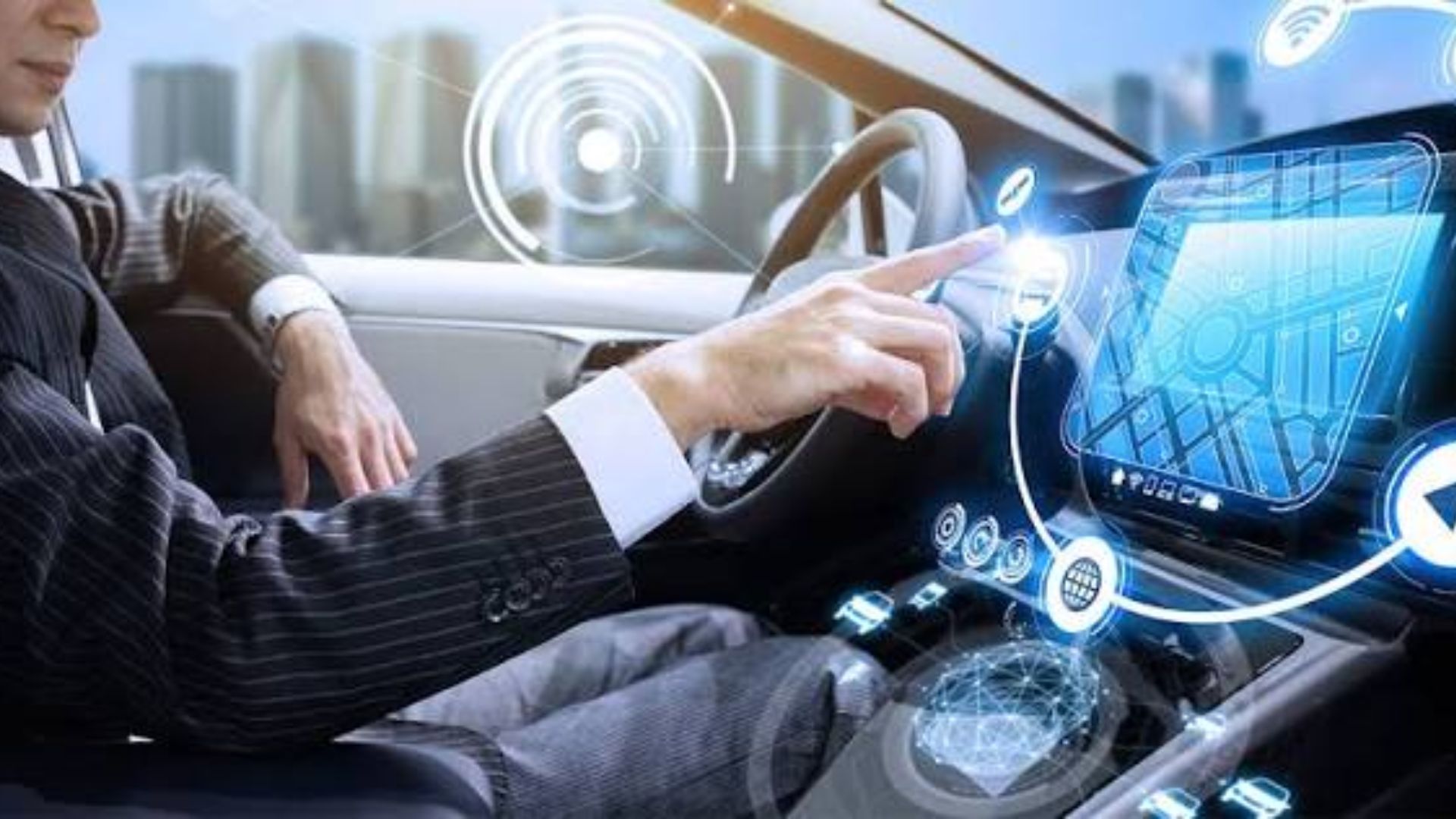
Two common ways of describing UBI are Pay-As-You-Drive (PAYD) and Pay-How-You-Drive (PHYD).
They sound similar, but they focus on different aspects of driving.
PAYD programs emphasize how much a vehicle is used.
Mileage is the central variable. A person who drives only occasionally may have a different risk profile from someone who commutes long distances every day.
The underlying logic is straightforward: more time and distance on the road generally create more opportunities for an accident to occur.
The exact pricing structure varies. Some programs may use a mileage-based component alongside a base premium or other rating factors rather than calculating the entire policy cost from miles driven alone.
PHYD programs focus more heavily on driving behavior.
The system may consider measurements such as braking, acceleration, cornering, mileage, and time of day. A driver's results may then be incorporated into the insurer's pricing or discount structure, depending on the program.
Importantly, not every PHYD program works the same way. Some programs are designed primarily around discounts or rewards, while others may use telematics information as one factor in broader underwriting or rating decisions.
Consumers therefore need to look at the specific terms rather than assuming that poor telematics results will automatically produce a higher premium.
Traditional insurance models estimate risk using information that is available before or when a policy is written. Telematics provides another source of information: actual vehicle use.
That can be useful because two drivers with similar conventional rating characteristics may have very different driving patterns.
A person who drives 5,000 miles a year may have a different level of exposure from someone driving 20,000 miles. Likewise, a driver who regularly travels during the day may present a different pattern from someone who spends much of the week driving late at night.
Telematics does not replace every conventional rating factor. Instead, it can add another layer of information to an insurer's risk model.
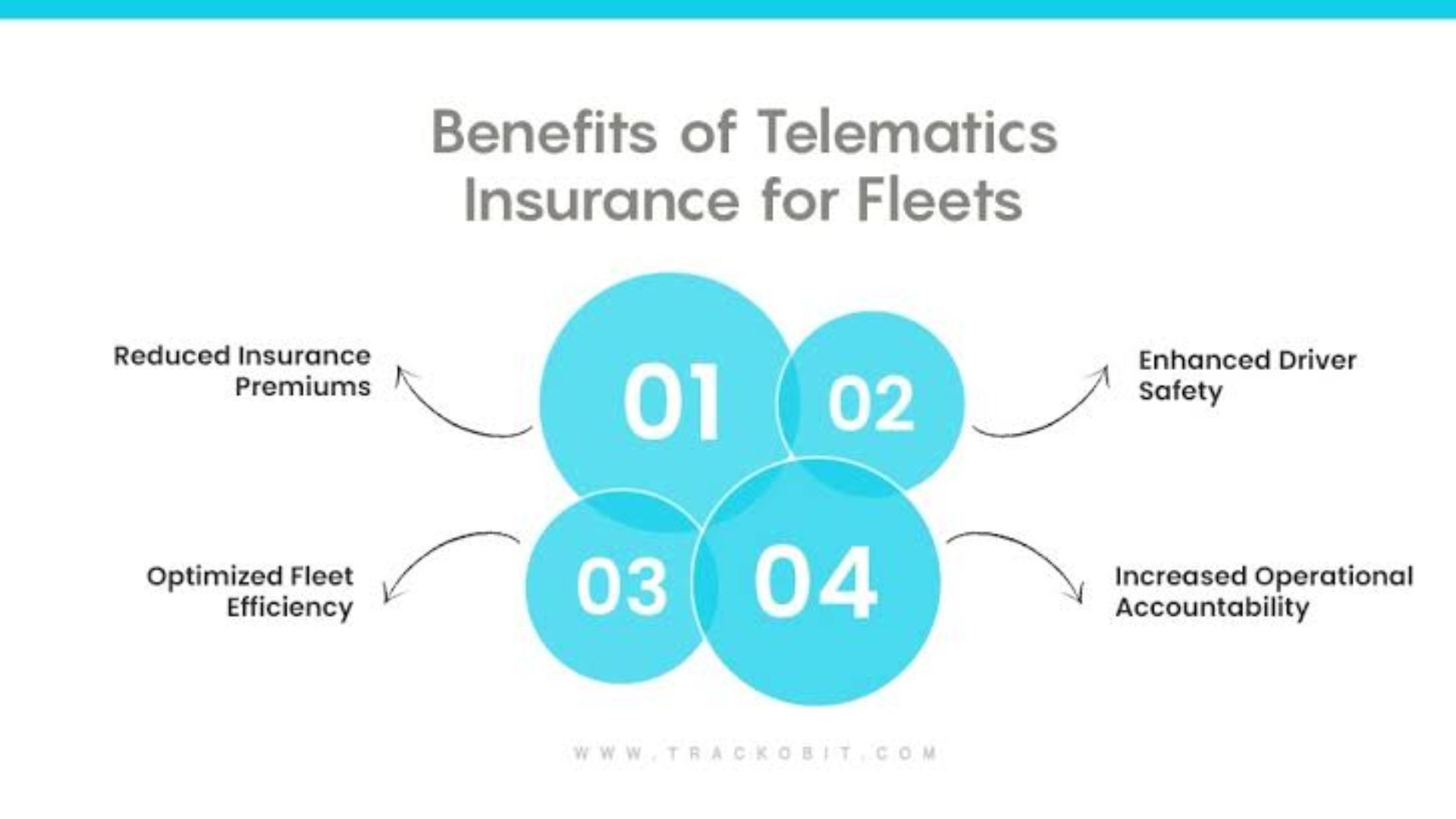
For consumers, one potential attraction of UBI is the opportunity for insurance pricing to reflect actual vehicle use or driving behavior more closely.
A low-mileage driver, for example, may benefit from a program that places significant weight on mileage. Someone who consistently demonstrates driving behavior that the insurer considers lower risk may qualify for a discount or other favorable treatment under a behavior-based program.
There is another potential benefit: feedback.
Some telematics programs provide drivers with information about braking, acceleration, mileage, or other measurements. That can make certain driving patterns more visible and may encourage some participants to change their habits.
The effect should not be overstated, though. Not every driver will respond in the same way, and the available evidence does not justify treating telematics as a guaranteed way to make drivers safer.
Telematics can give insurers information that is difficult to obtain from conventional application data alone.
Instead of estimating mileage or driving patterns entirely from general characteristics, an insurer may be able to analyze information generated during actual vehicle use.
This can improve risk segmentation in some circumstances. It can also help insurers better understand how different groups of policyholders use their vehicles.
Telematics information may have uses beyond pricing as well. Depending on the program and applicable rules, data can potentially assist with claims investigation or reconstruction of an accident.
Again, the exact use depends on the insurer, the technology, and the terms under which the data was collected.
The benefits of telematics come with a straightforward trade-off: more information can mean less privacy.
A conventional insurance application may require relatively limited information about driving history and vehicle use. A telematics program can generate data continuously or repeatedly while the vehicle is being driven.
Depending on the technology, that may include mileage, location-related information, driving times, vehicle movements, and other behavioral measurements. The NAIC notes that the amount of data collected varies according to the technology used and the information a policyholder agrees to share.
That raises practical questions for consumers.
How long is the information retained? Who can access it? How is it analyzed? Can the information be shared with third parties? What happens if a policyholder leaves the program?
The answers depend on the insurer and program. Reading the privacy notice and program terms is therefore an important part of evaluating a telematics policy.
Driving data can be informative, but it is not a perfect picture of driving risk.
A hard-braking event does not automatically mean a driver was careless. A sudden stop might have prevented a collision. A sharp maneuver could have been necessary to avoid another vehicle.
Location and time-of-day data can also be difficult to interpret without context. A person who works night shifts may regularly drive late at night for reasons unrelated to risky behavior.
These examples illustrate an important limitation of automated scoring: a measurement is not necessarily an explanation.
Insurers therefore have to decide how much weight individual telematics variables should receive and how those variables should be interpreted within a broader pricing model.
UBI programs operate within the insurance regulatory framework applicable to the market in which the policy is sold. Rules governing rating factors, data use, privacy, and insurance practices can differ by jurisdiction.
Consumers should also remember that participation is not identical across insurers. A telematics program may be optional, mandatory for a particular product, discount-focused, or structured in another way.
The potential effect on premiums can differ as well. Some programs primarily advertise potential discounts, while others incorporate driving information more directly into their pricing methodology.
There is no universal UBI formula.
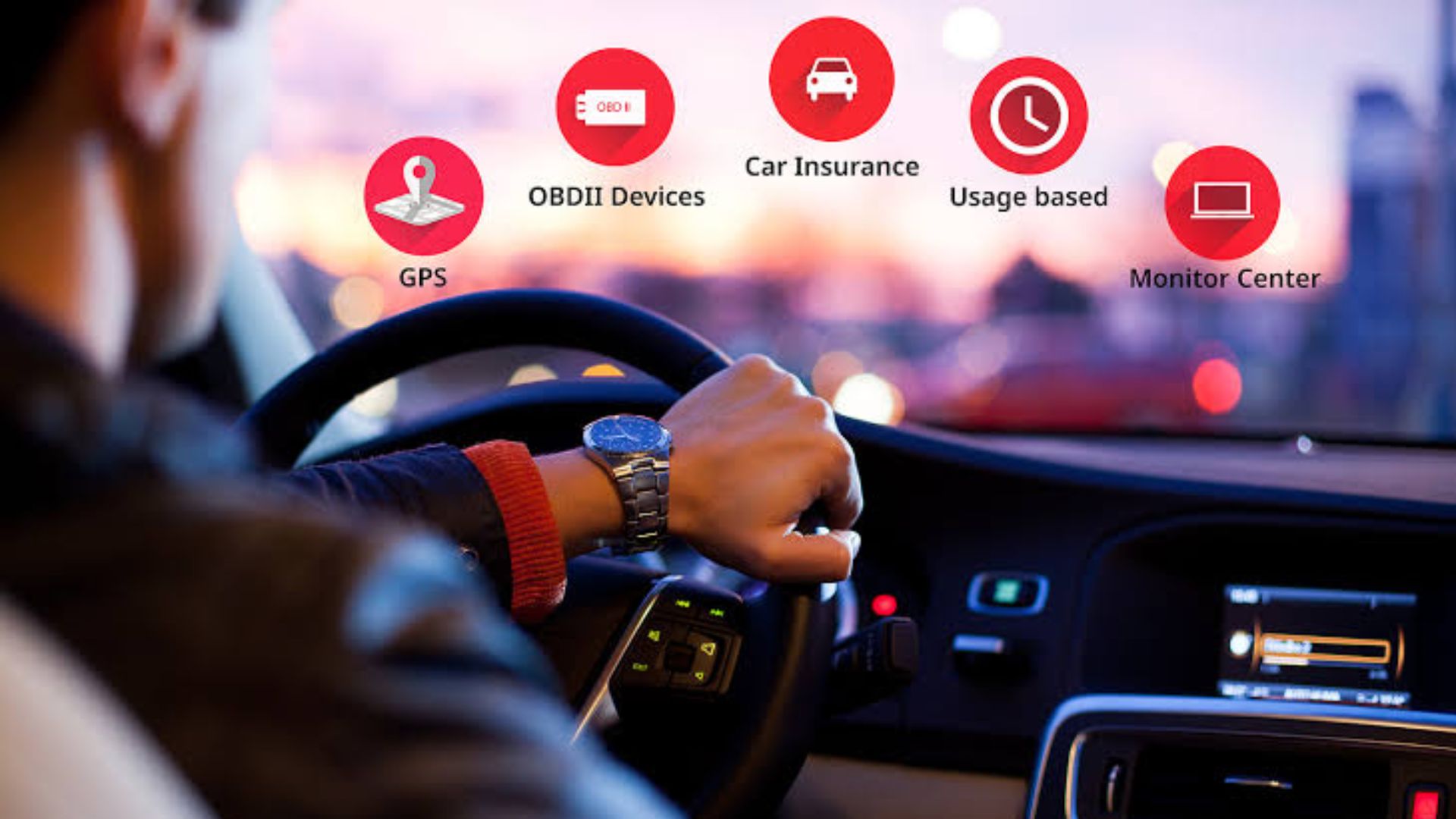
Usage-based insurance gives insurers another way to evaluate auto risk by examining actual vehicle use and, in some programs, driving behavior.
Telematics can measure mileage, time of day, acceleration, braking, cornering, location-related information, and other variables. Some programs focus mainly on mileage, while others evaluate how a vehicle is driven.
For insurers, the appeal is better access to individualized behavioral data. For drivers, the potential advantage is pricing or discounts that may better reflect actual vehicle use. The trade-off is greater data collection and the possibility that automated measurements do not always capture the context behind a particular driving event.
UBI is therefore not simply a replacement for traditional insurance pricing. It is another layer of risk information. How valuable that layer becomes depends on the technology, the insurer's model, the applicable regulations, and how consumers choose to participate.