
Shopping for car insurance can produce a strange result. A driver with a clean record, a relatively ordinary vehicle, and similar coverage limits can request quotes from several insurers and receive noticeably different prices.
At first glance, that can seem arbitrary. If every insurer is looking at the same driver, why aren't the numbers roughly the same?
The answer is that insurers do not use one universal formula for pricing risk. Each company has its own underwriting guidelines, rating models, claims experience, business strategy, operating structure, and regulatory requirements. Two insurers can look at the same applicant and reach different conclusions about how that risk should be priced.
That is one reason comparing insurers can matter so much when shopping for coverage.
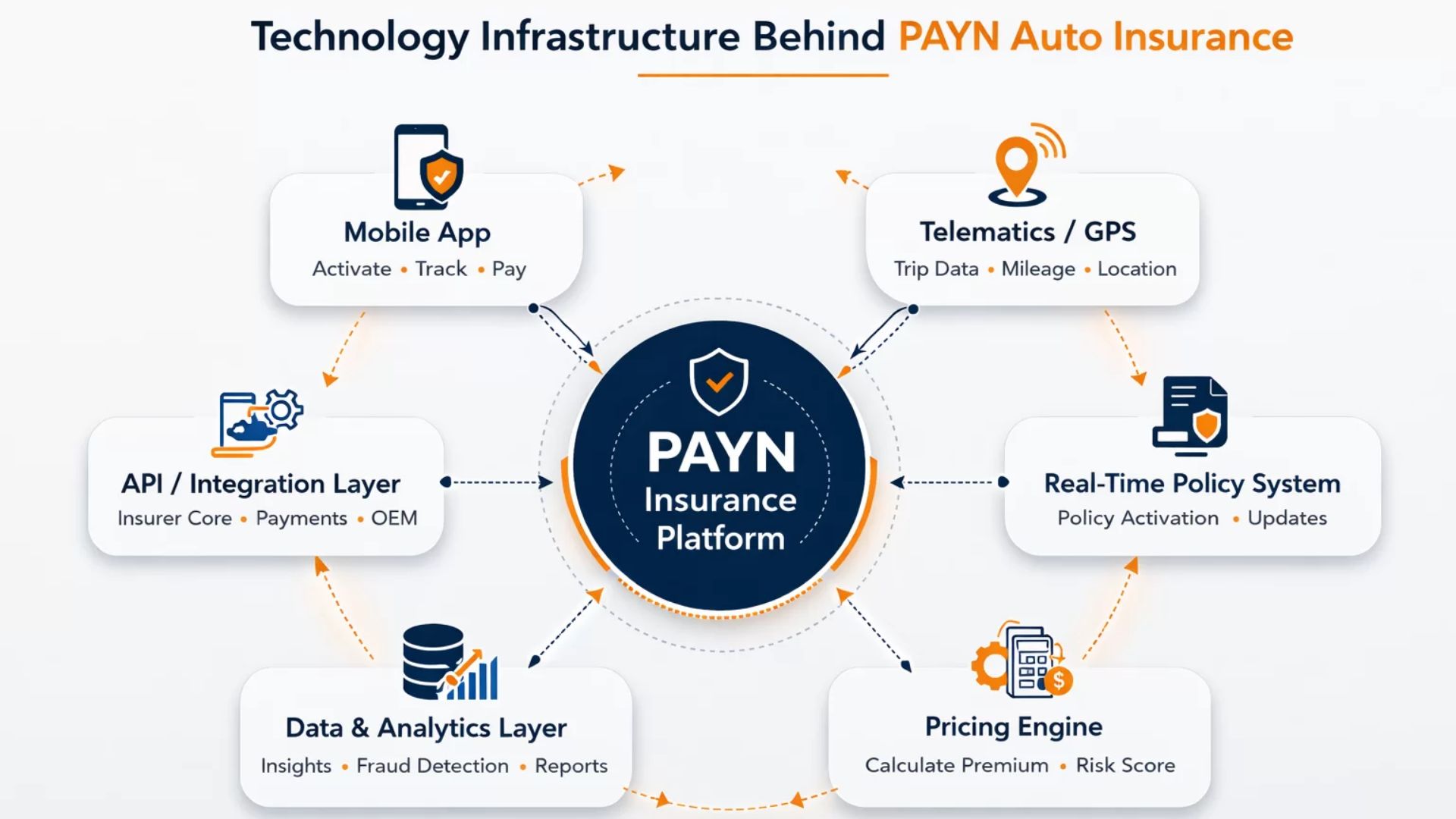
Insurance pricing is built around actuarial analysis. Insurers study historical claims and other relevant data to estimate the likelihood and potential cost of future losses. But there is no single formula that every company must use.
Each insurer develops its own rating approach, subject to applicable laws and regulatory requirements. A company may combine its own claims experience with industry data, approved third-party information, predictive models, and other factors.
Imagine two insurers evaluating the same vehicle. One may have experienced relatively expensive claims involving that model in a particular market, while another may have seen a different claims pattern. Their models can therefore produce different indications of risk even though the applicant and vehicle are identical.
The same principle applies to individual rating factors. Insurers may differ in how much weight they assign to particular characteristics, provided their practices comply with applicable rules.
In jurisdictions where its use is permitted, credit-related information can be incorporated into insurance scoring or rating models. The exact rules vary by state and insurance product, and insurers do not necessarily interpret the information in the same way.
That means two companies can potentially reach different pricing results even when they receive similar underlying information.
A driver's record is another common rating factor, but insurers can differ in how they evaluate individual incidents within the rules that apply to them.
A speeding violation, accident, or other driving event may therefore affect quotes differently from one company to another. The relevant lookback period and treatment of individual events can depend on the insurer, state, and type of violation.
Some insurers offer telematics programs that use information about driving behavior. Depending on the program, measurements can include factors such as mileage, braking, acceleration, or time of day.
An insurer that places significant emphasis on telematics may evaluate a driver differently from a company that relies more heavily on conventional rating variables.
Insurance companies do not all want exactly the same mix of business.
This is often described as risk appetite: the types and levels of risk an insurer is prepared to accept within its overall business strategy and financial framework.
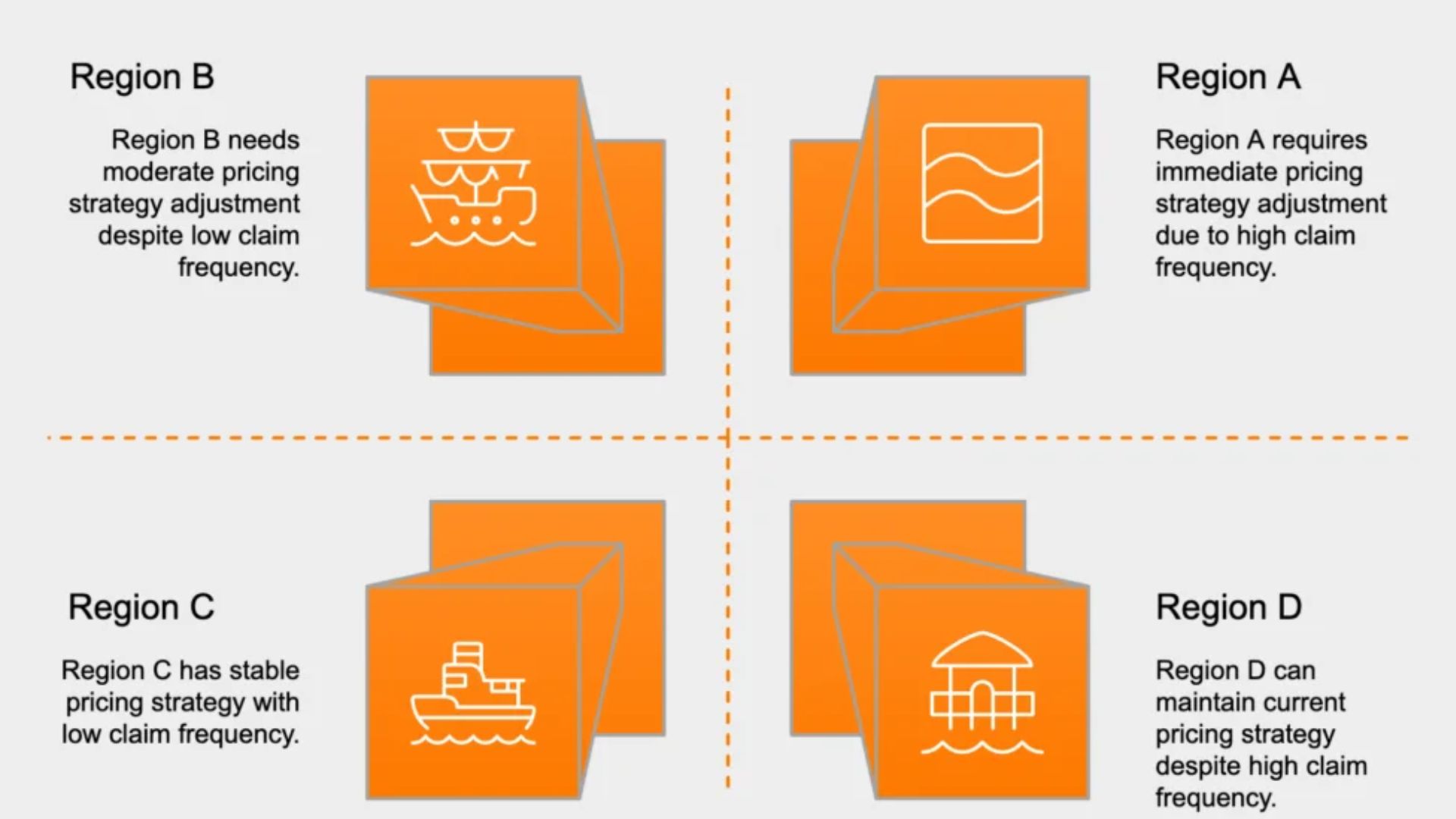
Suppose an insurer has a large concentration of policies in an area exposed to severe weather. Its management may decide that additional exposure in that market does not fit its desired portfolio. Depending on the applicable regulatory framework, the company might adjust underwriting guidelines, modify pricing, limit certain types of new business, or take other measures to manage exposure.
Another insurer may have a different portfolio and therefore be more interested in writing the same type of policy.
This helps explain an important point: a high quote does not necessarily mean that a driver is considered a "bad" risk by the entire insurance industry. It may simply mean that the particular insurer's models, portfolio, or business strategy place a relatively higher value on that risk.
The opposite can happen as well. An insurer may have a stronger appetite for a particular type of customer or market and consequently offer a more competitive quote, assuming the rate is permitted under applicable regulations.
An insurance premium is not simply a calculation of expected claims. Insurers also have expenses associated with selling policies, processing applications, maintaining technology, handling claims, providing customer service, and running their businesses.
Those costs differ from company to company.
Some insurers primarily sell policies through their own websites, mobile channels, or call centers. Others rely heavily on agents or brokers. Many use a mixture of distribution methods.
These different models create different costs. Agent commissions, advertising, technology infrastructure, customer service, and acquisition expenses can all contribute to an insurer's overall expense structure.
That does not mean a digital insurer will automatically be cheaper. A company with a large online advertising budget, for example, can still face substantial customer-acquisition expenses.
The broader point is simpler: insurers have different cost structures, and those differences can be reflected in their pricing.
Insurers also manage their own exposure to unusually large losses through reinsurance. In effect, an insurer transfers part of its risk to another insurance company in exchange for a premium.
Reinsurance can be particularly important for risks associated with catastrophes such as hurricanes, severe storms, or wildfires. The cost and availability of reinsurance can vary depending on the insurer's portfolio, geographic exposure, market conditions, and the amount of protection it purchases.
A regional insurer with substantial exposure to a particular catastrophe risk may therefore face a different cost structure from a much larger insurer with a different geographic portfolio.
Auto insurance is regulated primarily at the state level in the United States, and the rules governing rating factors and underwriting practices are not identical everywhere.
This is one reason a pricing strategy that works in one state may not translate directly to another.
State insurance departments oversee insurer practices and, depending on the jurisdiction and type of insurance, may review or regulate rate filings, rating plans, underwriting rules, and related changes. The specific process differs from state to state.
The treatment of credit-related insurance information is a good example. Some states place significant restrictions on its use, while other jurisdictions permit certain forms of credit-based insurance scoring subject to their own requirements.
Insurers operating across multiple states therefore have to account for different regulatory environments rather than applying one nationwide pricing formula.
Put all of these factors together and the pricing differences become easier to understand.
Consider a hypothetical driver with the same vehicle, address, driving record, and requested coverage limits. Insurer A might have a pricing model that views the vehicle favorably, while Insurer B's historical claims experience could produce a higher expected loss estimate. Insurer C might place greater emphasis on a different rating factor or have a different appetite for that particular market.
Their operating expenses can also differ. So can their reinsurance arrangements, distribution strategies, claims costs, and broader business objectives.
None of this means that one insurer has discovered the "correct" price while the others have made an obvious mistake. Insurance pricing is based on models and assumptions, and companies can reasonably arrive at different results while operating within the rules that apply to them.

Because insurers evaluate risk differently, obtaining more than one quote can reveal pricing differences that would otherwise remain hidden.
The comparison should be made on an equivalent basis. Coverage limits, deductibles, optional protections, driver information, vehicle details, and other relevant factors can all affect the quoted premium.
A lower number is not automatically a better policy if it comes with materially different coverage. Likewise, a higher quote does not necessarily mean that an insurer provides better protection.
The useful comparison is between policies that offer broadly comparable coverage and terms.
Different car insurance quotes do not necessarily indicate that insurers are pricing randomly. They reflect differences in actuarial models, claims experience, risk appetite, operating costs, reinsurance arrangements, and state regulatory requirements.
The same driver can therefore look somewhat different through the lens of different insurers.
That is also why there is no universal "best" insurance rate for every driver. Pricing is highly dependent on the individual risk, the policy being requested, the insurer's approach, and the market in which the policy is written.
Understanding those differences makes the variation between quotes a little less mysterious—and explains why comparing insurers can be a useful part of the insurance-shopping process.